
Understanding Chemical Pregnancy: A Gynecologist’s Perspective on Early Loss
Finding out you are pregnant is often a moment of pure joy, but when that news is followed shortly by a period-like bleed, it can leave you feeling confused and heartbroken. In my years of clinical practice, I have seen many women go through this. This experience is known medically as a chemical pregnancy. While it is a very early form of pregnancy loss, the emotions that come with it are very real.
What is a Chemical Pregnancy?
A chemical pregnancy occurs when an egg is fertilized but the pregnancy ends shortly after implantation. It is called “chemical” because the pregnancy was only detected through biochemical means, specifically, a blood or urine test looking for the hormone hCG (human chorionic gonadotropin).
At this stage, the pregnancy has not progressed far enough for a doctor to see a gestational sac or a heartbeat on an ultrasound. For many women, this happens so early that they might just think their period was a few days late or slightly heavier than usual. However, with the high sensitivity of modern home pregnancy tests, more women are discovering these pregnancies than ever before.
Why is it Called “Chemical” and Not “Clinical”?
In the medical world, we distinguish between a chemical and a clinical pregnancy based on what we can see. A clinical pregnancy is one where we can confirm the pregnancy via ultrasound. A chemical pregnancy ends before that milestone is reached.
The name isn’t meant to diminish the experience. It simply refers to the fact that the only evidence of the pregnancy was the chemical change in your body. From a gynecological standpoint, it is a sign that you are able to conceive, which is often a small piece of positive news in a difficult situation.
The Role of hCG in Early Detection
hCG is the hormone produced by the cells that eventually form the placenta. In a typical pregnancy, these levels double every 48 to 72 hours. During a chemical pregnancy, the body starts producing this hormone, giving you that initial positive test result. However, because the pregnancy is not viable, the levels begin to drop before they ever get high enough to be seen on a scan.
Common Symptoms of a Chemical Pregnancy
Most women who experience a chemical pregnancy don’t actually know it is happening unless they are actively tracking their cycle. However, there are some specific signs to look out for:
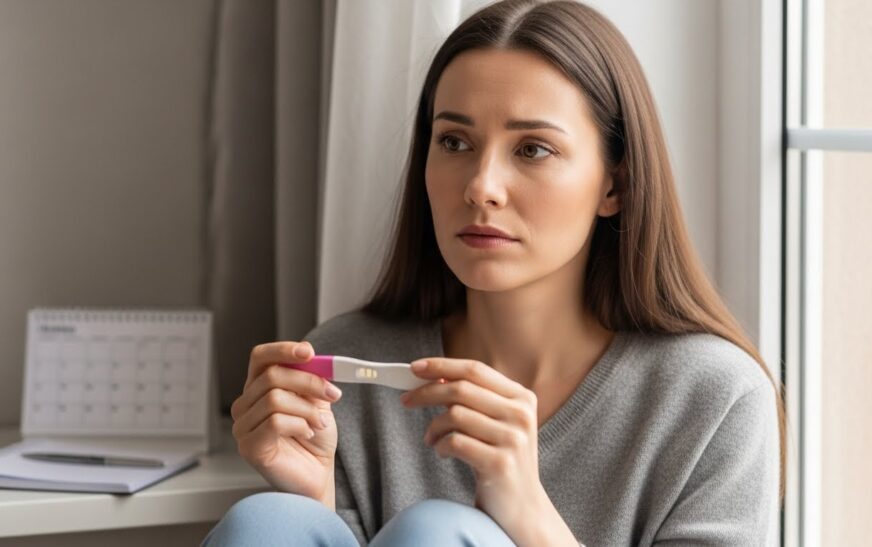
- A “Fading” Positive Test: You might see a faint line on a home test that gets lighter over the next few days instead of darker.
- A Delayed Period: Your period might arrive a few days or a week after it was expected.
- Heavier Bleeding: Many women report that the bleeding following a chemical pregnancy is heavier or involves more clots than a standard period.
- Cramping: You may feel more intense pelvic cramping than you do during your usual cycle.
Differentiating Pregnancy Symptoms from Other Issues
It is very common to over-analyze every physical sensation when you are trying to conceive. Early pregnancy symptoms often mimic PMS or even minor illnesses.
Sometimes, women mistake early hormonal shifts for digestive problems; if you are wondering is diarrhea a sign of pregnancy, it is helpful to look at the full picture of your symptoms. While digestive changes can happen due to rising progesterone, they can also be related to diet or stress. In a chemical pregnancy, these symptoms usually vanish as quickly as they appeared once the hormone levels drop.
What Causes an Early Biochemical Loss?
I often tell my patients: this was not your fault. A chemical pregnancy is almost never caused by something you did, ate, or didn’t do.
Chromosomal Issues: The Body’s Natural Screen
The most common cause, accounting for the vast majority of cases, is a chromosomal abnormality in the embryo. During fertilization, if the egg or sperm has too many or too few chromosomes, the embryo cannot develop properly. The body recognizes this very early and naturally stops the pregnancy from progressing. It is a biological safeguard, though a painful one to experience.
Uterine Health and Implantation Success
For a pregnancy to continue, the embryo must implant firmly into the uterine lining. If the lining is too thin or if there are structural issues like fibroids or polyps, the implantation might fail shortly after it begins.
Hormonal Factors: Progesterone and the Luteal Phase
Progesterone is essential for maintaining the uterine lining. If your body doesn’t produce enough of it during the second half of your cycle (the luteal phase), the pregnancy might not have the support it needs to stay attached.
How We Diagnose a Chemical Pregnancy in the Clinic
If you come into my office after a suspected early loss, we will likely perform a quantitative blood test. This measures the exact amount of hCG in your blood.
- Tracking Beta hCG Levels: We look for the levels to be declining. If they are very low and dropping, it confirms a chemical pregnancy.
- The “Missing” Ultrasound Evidence: If we perform an ultrasound and see an empty uterus despite a previous positive test, it confirms the pregnancy did not reach the clinical stage.
Physical and Emotional Recovery After a Loss
Physically, recovery from a chemical pregnancy is usually very fast. Most women find that their bodies return to a normal cycle within a month. However, the emotional recovery can take longer.
It is okay to grieve. Whether you were pregnant for five days or five months, the loss of the “idea” of that baby is significant. Give yourself the grace to feel sad, and talk to your partner or a healthcare provider about how you are feeling.
Trying Again: Can You Get Pregnant Right Away?
The good news from a medical perspective is that a chemical pregnancy is often a sign of future fertility. It proves that sperm can meet egg and that implantation can begin.
In most cases, you don’t need to wait to try again unless you feel emotionally unready. In fact, many women find they are quite fertile in the cycles immediately following a chemical pregnancy. I usually recommend waiting until you have had one full, normal period just to make it easier to date your next pregnancy.
Does One Chemical Pregnancy Mean I Have Fertility Issues?
Usually, no. Most women who have a chemical pregnancy go on to have a healthy, full-term pregnancy later. If you experience three or more in a row, then we might look into “recurrent pregnancy loss” testing to check for underlying issues like blood clotting disorders or thyroid problems.
Frequently Asked Questions
Experts believe they may account for up to 50% of all first-time pregnancies. Many happen before a woman even knows she is pregnant.
Normal daily stress does not cause pregnancy loss. Your body is much more resilient than that.
No. Because the loss happens so early, the body is able to clear the tissue naturally, much like a regular period. A surgical procedure is not necessary for a chemical pregnancy.
I hope this guide helps bring some clarity to a confusing time. Your body is doing its best, and a chemical pregnancy is often just a stepping stone on the path to a healthy family.