

As a gynecologist, I see patients every week who are meticulously tracking their cycles, searching for any small clue that this month might be different. One of the most common, yet rarely discussed, questions is whether a sudden surge in sexual desire, or “horniness”, is a sign that a period is coming or if a baby is on the way.
At PregnancyClarity, we aim to demphasize the guesswork and look at the biological “why” behind these shifts. Understanding your body’s hormonal rhythm is the first step in finding the answer you need.
The Connection Between Your Libido and Your Cycle
Your sex drive isn’t a random occurrence; it is a direct reflection of your endocrine system. Throughout your cycle, your hormones, specifically estrogen, progesterone, and testosterone, rise and fall in a specific pattern.
Why your sex drive increases during the Luteal Phase
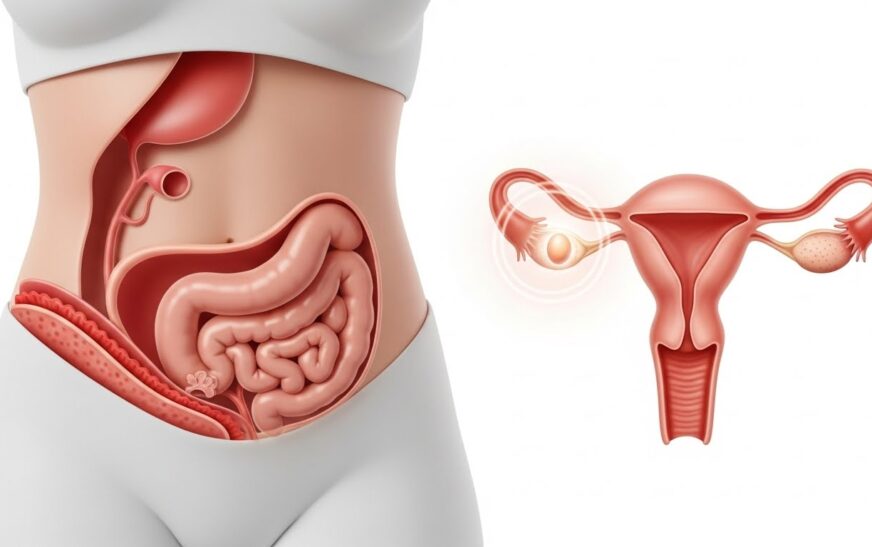
The luteal phase is the time between ovulation and the start of your period. After an egg is released, the empty follicle (the corpus luteum) starts producing progesterone. While progesterone is often called the “calming” hormone, the physical changes in your pelvis during this time can increase sensitivity. Increased blood flow to the pelvic region, common in the days leading up to a period, can often be mistaken for or contribute to an increased libido.
The role of Progesterone in sexual desire
Progesterone’s primary job is to thicken the uterine lining. However, it also affects your mood and physical sensations. For some women, the rise in progesterone makes them feel more connected and physically responsive. For others, the subsequent drop in progesterone right before a period can cause a temporary spike in testosterone’s influence, leading to that sudden “horny” feeling just days before menstruation begins.
Increased Sex Drive: Is it PMS or Early Pregnancy?
Distinguishing between Premenstrual Syndrome (PMS) and early pregnancy is notoriously difficult because both states are driven by the same hormone: progesterone.
When horniness points to your period (PMS symptoms)
If you are nearing the end of your cycle, a high libido is often just a sign of your body’s natural rhythm. Many women experience a “last hurrah” of desire right before their period starts. This is often accompanied by other typical PMS markers like mild cramping, bloating, or skin breakouts. At PregnancyClarity, we often suggest tracking these symptoms over three months to see if a late-cycle libido spike is simply a standard part of your personal “normal.”
When a high libido signals early pregnancy
When conception occurs, progesterone doesn’t drop, it continues to climb. This sustained high level, combined with a massive increase in blood volume, can make the pelvic tissues more engorged and sensitive. Some women report feeling “more aware” of their bodies or experiencing a heightened sense of intimacy. If this feeling persists past the day your period was supposed to arrive, it becomes a much stronger indicator of pregnancy.
Shared symptoms: Why it is hard to tell the difference
Because the hormonal profile of a “late luteal phase” and “early pregnancy” are so similar, physical sensations alone are rarely enough for a diagnosis. Both can cause breast tenderness, fatigue, and mood swings. If you notice spotting alongside an increased sex drive, it is vital to understand how much bleeding is normal in early pregnancy versus a standard period.
Real Experiences: What Mumsnet and Community Forums Say
If you search forums like is horniness an early sign of pregnancy or period Mumsnet threads, you will see a massive divide. Some women swear that they knew they were pregnant because their libido vanished, while others claim they felt an insatiable drive that was totally out of character.
The takeaway from these community discussions is that every woman’s “hormonal fingerprint” is unique. What is more important than the symptom itself is how it deviates from your usual cycle. If you are usually disinterested before your period and suddenly feel a major shift, it’s worth paying attention to.
Biological Markers to Watch Alongside Libido
To get a better picture of what is happening inside, look for secondary markers.
Tracking Cervical Mucus and Basal Body Temperature
Your libido is just one piece of the puzzle. If you are pregnant, your cervical mucus may remain thick and white (leukorrhea) rather than becoming dry or watery as it usually does before a period. Similarly, if you track your Basal Body Temperature (BBT), a “triphasic” shift, a third rise in temperature that stays high—is a much more reliable sign of pregnancy than libido alone.
Breast tenderness and mood shifts
In early pregnancy, breast changes tend to be more intense. While PMS can cause soreness, pregnancy-related breast changes often include tingling or darkening of the areolas. If these accompany your increased desire, the likelihood of pregnancy increases.
How to Get a Clear Answer Quickly
I always tell my patients: “Trust your body, but verify with science.”
The best time to take a home test
The wait can be agonizing, but testing too early often leads to unnecessary stress. Since symptoms like libido changes are subjective, the only way to be sure is to know exactly how soon can you take a pregnancy test for an accurate result. Generally, waiting until the first day of your missed period provides the most reliable data.
Distinguishing “implantation arousal” from ovulation
Some women feel a “twinge” or a surge of energy during implantation. If you suspect your symptoms are linked to the egg attaching to the uterine wall, you may want to check how soon after implantation can i test to avoid a false negative. Usually, it takes 2-3 days after implantation for the hCG hormone to be detectable in your urine.
Tips to Manage Hormonal Libido Swings
Whether it’s pregnancy or your period, hormonal fluctuations can feel like a rollercoaster.
- Stay Hydrated: Dehydration can make pelvic congestion feel uncomfortable rather than pleasurable.
- Journal Your Cycle: Use an app or a notebook to track when these surges happen.
- Listen to Your Body: There is no “right” way to feel. If you feel increased desire, enjoy the connection with your partner, but keep an eye on the calendar.
Frequently Asked Questions (FAQ)
Yes. The increase in estrogen and progesterone, combined with significantly higher blood flow to the pelvic area, can increase sensitivity and libido in the very early stages for some women.
Not necessarily. While some women feel exhausted (which can lower desire), others feel a surge of hormones that keeps their libido high. There is no universal rule.
Absolutely. Many women experience a spike in desire just before menstruation due to the shifting balance of progesterone and testosterone.
Final Thoughts from a Gynecologist
At the end of the day, your body is a complex system. While a high libido can certainly be an early sign of pregnancy, it is also a very common symptom of the “pre-period” phase. The most important thing you can do is stay calm and wait for a definitive test result.
At PregnancyClarity, we believe that being informed is the best way to handle the anxiety of the “two-week wait.” Whether the answer is a period or a positive test, understanding your biological cues helps you stay in control of your reproductive health.