

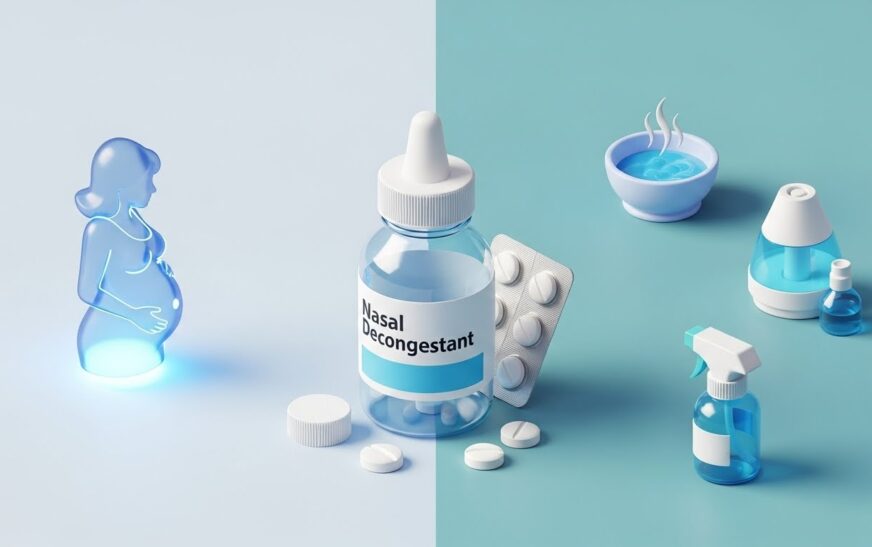
When you are pregnant, even a common cold can feel like a major hurdle. That familiar pressure in your sinuses and the inability to breathe through your nose can disrupt your sleep and your daily life. Naturally, your first instinct might be to reach for a box of Sudafed. However, as an obstetrician, I often tell my patients at PregnancyClarity that “over-the-counter” does not always mean “automatic safety” for your developing baby.
The safety of Sudafed (pseudoephedrine) is one of the most frequent questions I receive. While it is a highly effective medication for clearing up nasal passages, its use during pregnancy requires a careful look at the timing and your specific health history.
The Bottom Line: Can You Take Sudafed While Pregnant?
If you are looking for a quick answer: It depends on how far along you are. In the medical community, we generally advise avoiding Sudafed during the first trimester. Once you reach the second and third trimesters, it is often considered acceptable for short-term use, provided you do not have high blood pressure or other underlying risks.
At PregnancyClarity, our goal is to help you understand the “why” behind these rules so you can make an informed choice for your health and your baby’s safety.
Sudafed vs. Sudafed PE: What’s the Difference?
When you walk down the pharmacy aisle, you will see different versions of this medication. It is vital to check the active ingredients:
- Sudafed (Original): Contains pseudoephedrine. This is the version kept behind the pharmacy counter. It is a powerful decongestant that works by narrowing the blood vessels in the nasal passages.
- Sudafed PE: Contains phenylephrine. This is available on the open shelves.
Most clinical studies regarding pregnancy safety focus on pseudoephedrine. Interestingly, many experts find phenylephrine to be less effective at clearing congestion and potentially less studied in the context of pregnancy. Always read the label. If a box says “Multi-Symptom” or “Cold & Flu,” it likely contains other ingredients like acetaminophen or dextromethorphan, which adds more variables to your safety profile.
Why We Recommend Caution in the First Trimester
The first 12 to 13 weeks of pregnancy are a critical window. This is when your baby’s organs and body structures are forming. Because Sudafed works through vasoconstriction, the narrowing of blood vessels, there is a theoretical concern that it could affect blood flow in the developing fetus.
Some large-scale studies have suggested a slight increase in the risk of a rare condition called gastroschisis. This is a birth defect where the baby’s intestines extend outside the body through a small hole in the abdominal wall. While the overall risk remains very low, we prefer to eliminate any unnecessary triggers during this sensitive developmental stage. If you are in your first trimester, I strongly suggest sticking to non-medicated remedies.
Taking Sudafed by Trimester: A Closer Look
First Trimester: The “Wait and See” Period
During these first three months, your baby is at the highest risk for developmental issues caused by external factors. I advise my patients to skip oral decongestants entirely during this time. If your congestion is unbearable, we look toward saline-based solutions or nasal steroid sprays like Flonase which stay more localized and don’t travel through your entire bloodstream as heavily as a pill.
Second and Third Trimesters: Proceed with Caution
Once you enter the second trimester, the baby’s organs are mostly formed and are now just growing larger. At this stage, most doctors agree that occasional use of Sudafed is fine. However, “occasional” is the keyword. Taking it for 24 to 48 hours to get through the worst of a cold is different than taking it daily for weeks at a time.
Medical Concerns: Blood Pressure and Placental Health
Even in the later trimesters, Sudafed isn’t for everyone. Because pseudoephedrine narrows blood vessels to shrink swelling in your nose, it can also raise your blood pressure.
If you have a history of hypertension or are at risk for preeclampsia, Sudafed is usually off-limits. High blood pressure during pregnancy can reduce placental blood flow, meaning the baby might get less oxygen and fewer nutrients. Always check your blood pressure at home or at your pharmacy if you feel jittery or “off” after taking a decongestant.
Who Should Avoid Sudafed Entirely?
Regardless of which trimester you are in, you should avoid this medication if you have:
- Chronic high blood pressure.
- Heart disease.
- Diabetes (it can occasionally affect blood sugar levels).
- Glaucoma.
- Hyperthyroidism.
If you fall into these categories, please reach out to your healthcare provider for a safer alternative.
Natural Ways to Relieve Pregnancy Congestion
Before reaching for the medicine cabinet, I always encourage my patients to try “mechanical” ways to clear the nose. These methods have zero risk to the baby:
- Saline Nasal Rinses: Using a Neti pot or a saline spray helps wash out mucus and allergens.
- Humidity: Run a cool-mist humidifier in your bedroom at night to keep your nasal passages from drying out.
- Elevation: Sleep with an extra pillow to keep your head elevated, which allows gravity to help drain your sinuses.
- Hydration: Drinking plenty of water thins out the mucus, making it easier to clear.
Safe Alternatives: When Sudafed Isn’t the Best Choice
If natural remedies aren’t enough, we often look at other medications that might be a better fit for your specific symptoms. For example, if you are also dealing with a productive, “wet” cough, taking Mucinex for chest congestion is often a preferred step to help clear the lungs without the stimulant effects of Sudafed.
For those whose congestion is paired with a dry, irritating cough that keeps them up at night, cough suppressants like Robitussin can be used to help you get the rest you need. Remember, sleep is one of the best medicines when your body is fighting a virus.
Practical Tips for Managing a Cold While Expecting
- The 48-Hour Rule: Only use Sudafed for the most severe 48 hours of your illness. If your symptoms last longer, consult your doctor.
- Monitor Your Heart Rate: If you feel your heart racing or feel unusually anxious after taking a dose, stop using it.
- Check for Fever: If your “stuffy nose” is accompanied by a fever over 100.4°F, give your clinic a call. Fever, not just the cold itself, can sometimes be a concern for the baby.
- Stay Away from “Max Strength”: Try to use the lowest effective dose. Often, a half-dose of the immediate-release version is enough to provide relief.
Final Thoughts from the Clinic
At PregnancyClarity, we believe that a healthy mom leads to a healthy baby. Being miserable with a cold isn’t good for your well-being, but safety must come first. If you are past your first trimester and your blood pressure is normal, a short course of Sudafed can be a lifesaver. Just remember to always check in with your OB-GYN or midwife before starting any new medication. Your specific health profile is unique, and they are your best resource for a final “green light.”
Managing symptoms with care and patience is the best way to navigate these nine months. Rest up, stay hydrated, and don’t hesitate to lean on safer alternatives first.