
Finding blood on your underwear or when you wipe can feel like your heart has stopped for a second. In my years of clinical practice, this is one of the most common reasons patients call the office in a panic during their first trimester. While we are often taught that pregnancy means “no period,” the reality is that about one in four women will experience some form of bleeding in the first few months.
Not all bleeding means the pregnancy is ending. In many cases, it is simply a sign of your body adjusting to the massive changes taking place. However, understanding the difference between a minor “glitch” and a situation that needs medical intervention is vital for your peace of mind and safety.
Is Bleeding Always a Sign of Trouble?
The short answer is no. If you are between 6 and 12 weeks pregnant and notice light spotting, try to take a deep breath. Statistical data shows that roughly 15% to 25% of women experience bleeding during the first trimester, and the majority of them go on to have perfectly healthy babies.
The key is to look at the “total picture.” Are you in pain? Is the blood bright red or dark brown? Is there enough to fill a menstrual pad? These details help me determine if we are looking at a normal physiological process or a complication.
Spotting vs. Bleeding: How to Tell the Difference
Distinguishing between spotting and actual bleeding is the first step in assessing the situation.
- What Does Normal Spotting Look Like? Spotting is usually defined as a few drops of blood that don’t even cover a panty liner. The color is often pinkish or a dull, rusty brown. It doesn’t usually come with heavy cramps. If you see light spotting very early on, you might wonder if it is time to check your status; here is a guide on how soon can you take a pregnancy test to get the most accurate result.
- Defining Heavy Bleeding. If you find yourself needing a full-sized menstrual pad because the blood is soaking through, that is considered bleeding rather than spotting. Bright red blood is typically fresh and indicates active flow, which usually warrants a call to your doctor right away.
Common Reasons for Light Bleeding (Non-Emergencies)
There are several reasons why your body might shed a little blood that have nothing to do with a miscarriage.
Implantation Bleeding: The Earliest Sign
This happens about 10 to 14 days after conception, often right around the time you expect your period. As the embryo attaches itself to the uterine lining, it can disrupt tiny blood vessels. This is usually very light and lasts only a day or two.
Cervical Changes and Sensitivity
During pregnancy, your blood volume increases, and more blood flows toward your cervix. This makes the tissue very sensitive. It is quite common to see a small amount of spotting after a pelvic exam or after having sex. This isn’t a sign that the pregnancy is at risk; it’s just the “irritable” nature of the cervix during this time.
Subchorionic Hematoma
This sounds scary, but it’s essentially a small bruise or collection of blood between the gestational sac and the wall of the uterus. While it can cause moderate bleeding, most of these resolve on their own as the pregnancy progresses without harming the baby.
When Bleeding Signals a Potential Problem
While we hope for the best, we must also be realistic about the risks.
Identifying a Threatened Miscarriage
This is a term doctors use when there is bleeding and cramping, but the cervix remains closed. In many cases, the “threat” passes and the pregnancy continues. However, if the bleeding is accompanied by the passage of tissue, it may indicate a loss. Sometimes bleeding happens very shortly after a positive test, which could indicate a what is chemical pregnancy, a type of very early loss that often feels like a late period.
Ectopic Pregnancy: Why One-Sided Pain Matters
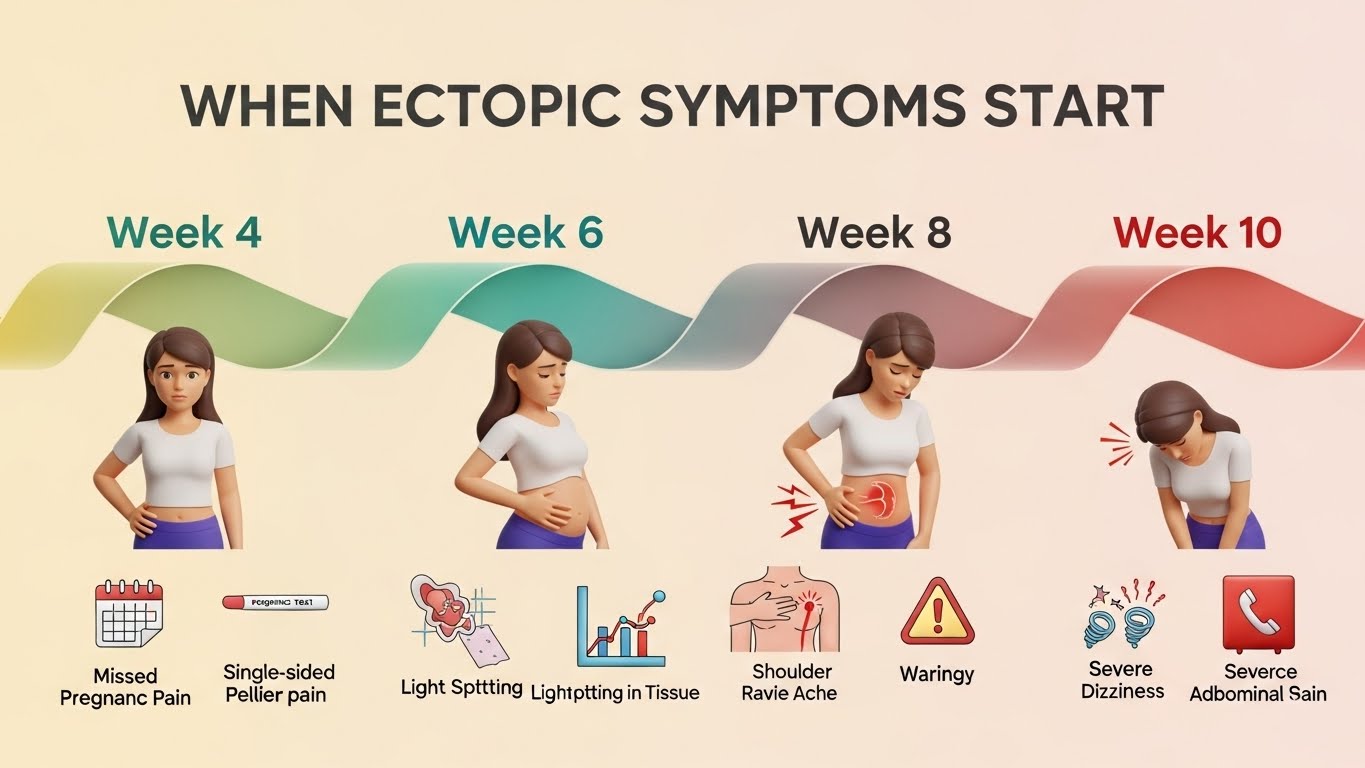
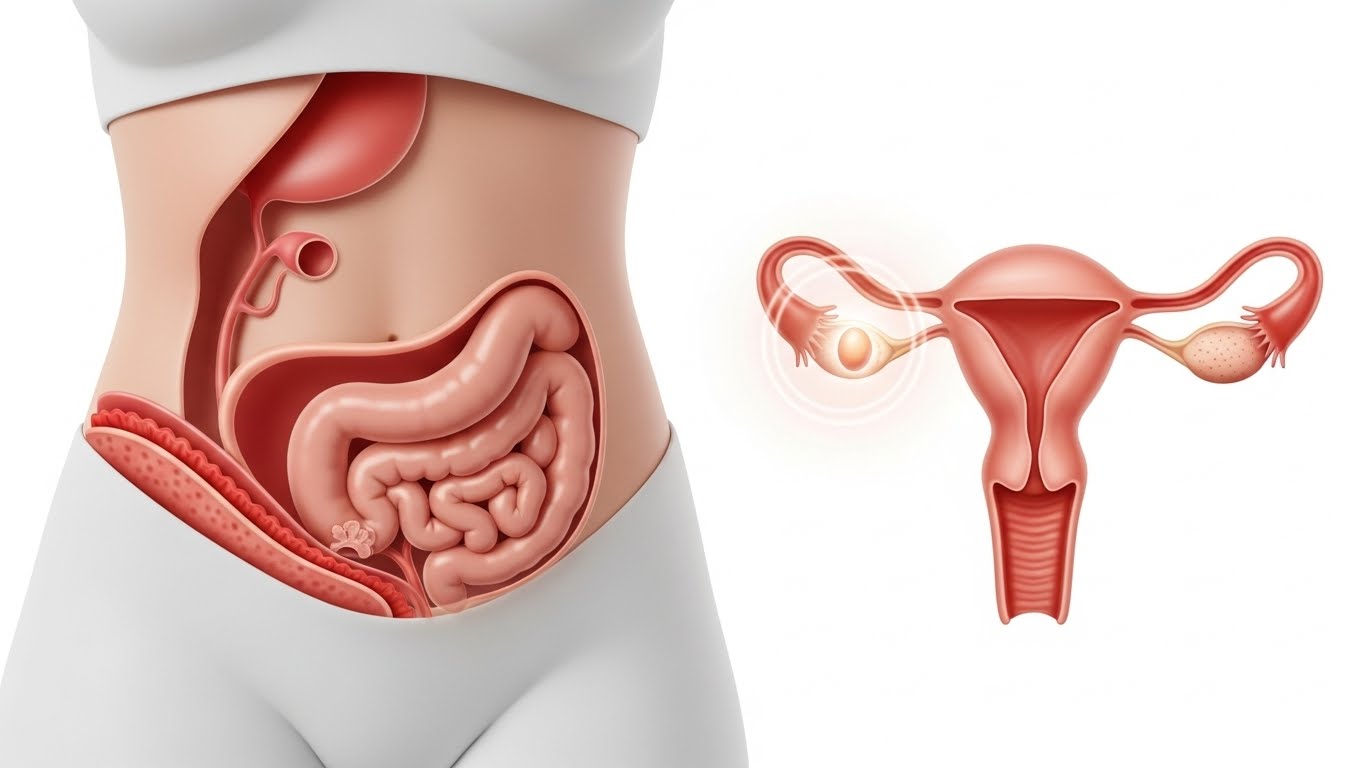
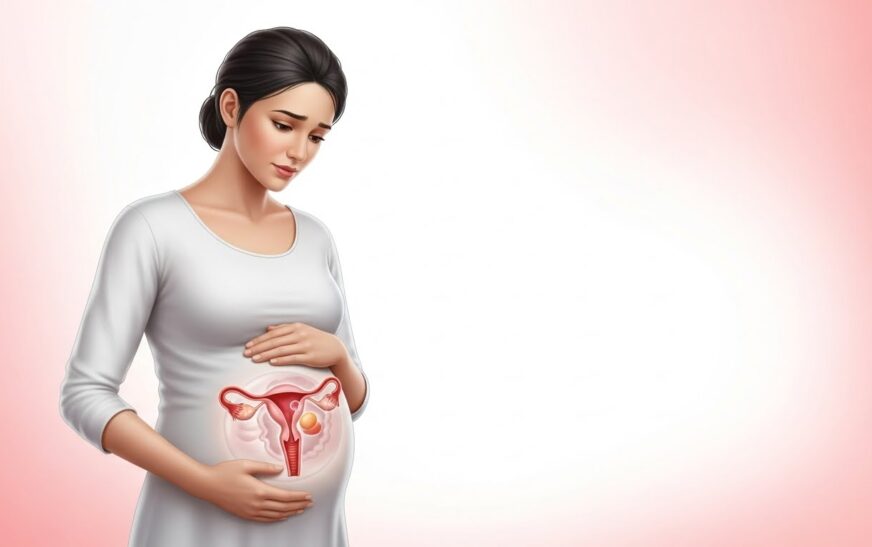
An ectopic pregnancy occurs when the embryo implants outside the uterus, usually in a fallopian tube. This is a medical emergency. If you have bleeding accompanied by sharp, stabbing pain—especially if it is mostly on one side of your abdomen, you need to go to the emergency room immediately.
Molar Pregnancy
This is a rare complication where a non-viable mass grows instead of a healthy embryo. It often causes very high hCG levels and may result in bright red bleeding or the passage of grape-like cysts.
Symptoms That Require an Immediate Emergency Visit
If you experience any of the following, please do not wait for a scheduled appointment. Go to the nearest emergency department:
- Bleeding heavy enough to soak through a thick pad in less than an hour.
- Severe abdominal pain or cramping that feels much worse than a period.
- Dizziness, lightheadedness, or actually fainting.
- Passing large clots or what looks like gray/pinkish tissue.
What to Expect at the Doctor’s Office
When you come in because of bleeding, we have a specific process to figure out what is happening.
- The Pelvic Exam: We use a speculum to see where the blood is coming from (is it the cervix or the uterus?).
- Blood Work: we check your hCG levels. Often, we need to check them twice, 48 hours apart, to see if the numbers are rising as they should.
- Ultrasound: A transvaginal ultrasound is the best way to see the heartbeat and check the position of the pregnancy.
Frequently Asked Questions
Technically, no. You cannot have a true menstrual period while pregnant. However, you can have bleeding that looks like a period due to implantation or hormonal fluctuations.
In the past, doctors prescribed “bed rest.” Today, we know that bed rest doesn’t necessarily prevent a miscarriage, but many doctors still recommend “pelvic rest” (no sex and no heavy lifting) until the bleeding stops, just to be safe.
It usually lasts from a few hours to two days. If it goes on longer or gets heavier, it’s likely something else.
Before you worry too much, remember that your dates might be slightly off. Knowing how soon can you take a pregnancy test helps you determine exactly how far along you are when symptoms start, which helps us interpret your ultrasound results more accurately.
Final Doctor’s Tip: Keep a small diary of when the bleeding started, what color it was, and what you were doing at the time. This information is incredibly helpful for your healthcare provider in giving you the right diagnosis.