

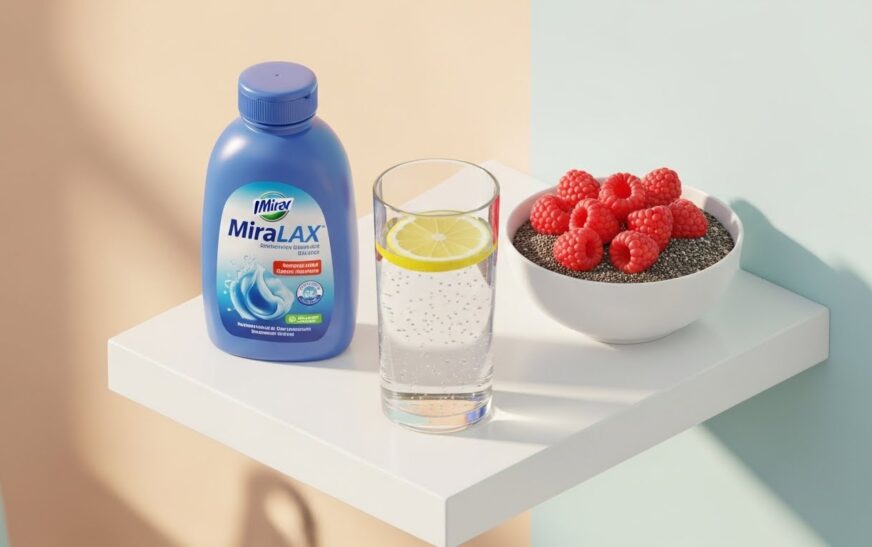
If you are sitting in your bathroom feeling like a bowling ball is stuck in your gut, I want you to know that you are not alone. As a gynecologist, I see this daily. Constipation is easily one of the most common—and most frustrating—complaints I hear from my patients. It’s uncomfortable, it’s bloating, and it can make an already difficult pregnancy feel much worse.
One of the first questions women ask me when they can’t find relief is: “Is MiraLAX safe to take while I’m pregnant?” The short answer is yes, but there is a lot more to understand about why we recommend it and how to use it so you feel like yourself again. At pregnancyclarity, we aim to strip away the confusion so you can make safe choices for you and your baby.
What Exactly is MiraLAX?
MiraLAX is the brand name for a medication called Polyethylene Glycol 3350. In the medical world, we classify it as an osmotic laxative. Unlike stimulant laxatives that force your bowel muscles to contract, MiraLAX works with the water in your body. It essentially acts like a sponge, drawing water into the colon to soften the stool and make it much easier to pass.
What makes this particularly popular in prenatal care is that it is not absorbed into your bloodstream in any significant amount. It stays in your digestive tract, does its job, and then leaves your body. This is a huge win for safety because if it isn’t entering your blood, it isn’t reaching your developing baby.
Why Pregnancy Makes You So Constipated
To understand why you might need MiraLAX, it helps to know why your body is suddenly acting this way. Your body is going through a massive hormonal shift. The main culprit here is progesterone. This hormone is vital for maintaining a healthy pregnancy, but it also acts as a muscle relaxant. While it relaxes the uterus, it also relaxes the muscles in your intestines. This causes “gastric transit time” to slow down significantly.
On top of the hormones, your growing uterus is physically taking up more space, pressing against your bowels. If you are taking prenatal vitamins with high iron content, that adds another layer of “clogging” to the system. Sometimes, the shift in your gut can even lead to the opposite problem, so you might want to understand if diarrhea is a sign of pregnancy or just a temporary reaction to your diet.
The Safety Profile: What the Experts Say
The American College of Obstetricians and Gynecologists (ACOG) and the American Gastroenterological Association generally consider MiraLAX a second-line treatment. This doesn’t mean it’s dangerous; it just means we usually suggest trying more fiber and water first.
However, when those lifestyle changes don’t work, MiraLAX is often the “gold standard” for doctors. Because Polyethylene Glycol 3350 is not fermented by gut bacteria, it tends to cause less gas and cramping than other options like lactulose or even some fiber supplements. If you are already struggling with morning sickness, much like checking if is zofran safe during pregnancy for nausea, knowing that your constipation meds won’t add to your stomach pain is a huge relief.
How to Use MiraLAX During Your Pregnancy
I always tell my patients that consistency is key. MiraLAX is not a “quick fix” that works in thirty minutes. It usually takes 1 to 3 days of regular use to produce a bowel movement.
- The Dosage: The standard dose is usually 17 grams of powder (the cap on the bottle is typically a measuring tool) dissolved in 4 to 8 ounces of liquid.
- The Liquid: You don’t have to stick to water. You can mix it with juice, tea, or even your morning smoothie. The key is to ensure it is fully dissolved.
- Hydration is Mandatory: Since this medication works by pulling water into your stool, it can dehydrate the rest of your body if you aren’t drinking enough. Aim for at least 8 to 10 glasses of water a day while using it.
MiraLAX vs. Stool Softeners and Stimulants
Many women get confused between MiraLAX and products like Colace (Docusate Sodium).
- Stool Softeners: These are very gentle and simply help “wet” the stool. They are often not strong enough for moderate pregnancy constipation.
- Osmotic Laxatives (MiraLAX): These are the middle ground. They provide a more reliable result without being harsh.
- Stimulants (Senna/Bisacodyl): These “kick” the bowels into gear. We try to avoid these for long-term use because your body can become dependent on them, and they are more likely to cause painful cramping.
Natural Ways to Support Your Digestion
Even if you use MiraLAX, I highly recommend looking at your daily habits. It’s much better to keep the “pipes” moving naturally when possible.
- Fiber is Your Friend: Aim for 25 to 30 grams of fiber daily. Think raspberries, lentils, chia seeds, and avocados.
- Movement: Even a 15-minute walk after dinner can help stimulate the natural contractions of your gut.
- Magnesium: Many pregnant women find that a magnesium citrate supplement at night helps relax the bowels and also prevents those pesky leg cramps.
When Should You Be Worried?
While constipation is normal, there are times when it points to a bigger issue. If you haven’t had a bowel movement in over a week, or if you are experiencing severe abdominal pain and vomiting, you need to call your OB/GYN immediately.
Sometimes, straining too hard can lead to hemorrhoids or small rectal tears that cause spotting. It is vital to know how much bleeding is normal in early pregnancy to differentiate between minor irritation from constipation and something that requires medical attention. If you see bright red blood on the toilet paper after a difficult movement, it is usually a local issue, but we always prefer you check in with us to be safe.
Common Questions I Hear in the Clinic
Most doctors are fine with daily use for a short period. However, we always want to find a way to get your body back to its natural rhythm eventually. If you feel you need it for more than two weeks, have a chat with your healthcare provider.
There is no evidence to suggest this. Because of the low absorption rate I mentioned earlier, the active ingredients don’t reach the fetus. It is one of the most studied and recommended options for expectant mothers.
Yes. Whether you are 6 weeks or 36 weeks along, the way the medication interacts with your gut remains the same.
A Final Word from the Clinic
Pregnancy is a time of huge change, and you shouldn’t have to suffer through the physical discomfort of constipation in silence. Using MiraLAX is a widely accepted, safe, and effective way to find relief. At pregnancyclarity, we believe that when you have the right information, you can stop worrying and focus on the excitement of meeting your little one.
Always remember to talk to your own doctor before starting any new medication, even over-the-counter ones. Every pregnancy is unique, and they can help you determine the best schedule for your specific needs.