

When you are trying to conceive or suspect you might be pregnant, every small change in your body feels like a coded message. While most people immediately look for nausea or a missed period, digestive shifts, specifically diarrhea, can also enter the picture. As a gynecologist who has spent years talking with patients about these early signals, I can tell you that while diarrhea isn’t the “classic” symptom everyone talks about, it is a very real reality for many women in those first few weeks.
Can Diarrhea Be a Pregnancy Symptom?
The short answer is yes. While constipation is more frequently discussed due to the way pregnancy slows down the gut, some women experience the exact opposite. This usually happens because your body is undergoing a massive hormonal shift.
How Hormonal Changes Affect Your Digestion
The moment a fertilized egg implants, your body begins a complex chemical dance. For some, the sudden influx of hormones doesn’t just affect the reproductive system; it impacts the gastrointestinal tract. If your bowels are sensitive, these changes can lead to looser stools or more frequent trips to the bathroom.
The Role of Progesterone and Prostaglandins
Progesterone is the primary hormone responsible for maintaining a healthy pregnancy, but it is also a muscle relaxant. While it often slows down digestion (leading to gas), for some women, the initial surge causes a temporary “rebound” effect in the bowels. Additionally, your body produces prostaglandins, fatty acids that help the uterus contract. If these leak into the bowel area, they can stimulate the gut, leading to diarrhea.
Diarrhea vs. Other Early Pregnancy Signs
It is helpful to look at the bigger picture. Diarrhea on its own might just be something you ate, but when paired with other markers, it becomes part of a larger story.
Distinguishing Between PMS and Early Pregnancy Stools
Many women notice “period poops”, diarrhea right before their cycle starts. This happens because prostaglandins drop to help the uterine lining shed. If you are pregnant, those levels remain stable or rise differently. If you notice digestive upset along with a late period, you might wonder how soon can you take a pregnancy test to get a definitive answer. Generally, waiting until the first day of your missed period provides the most accuracy.
When Does Digestive Trouble Usually Start?
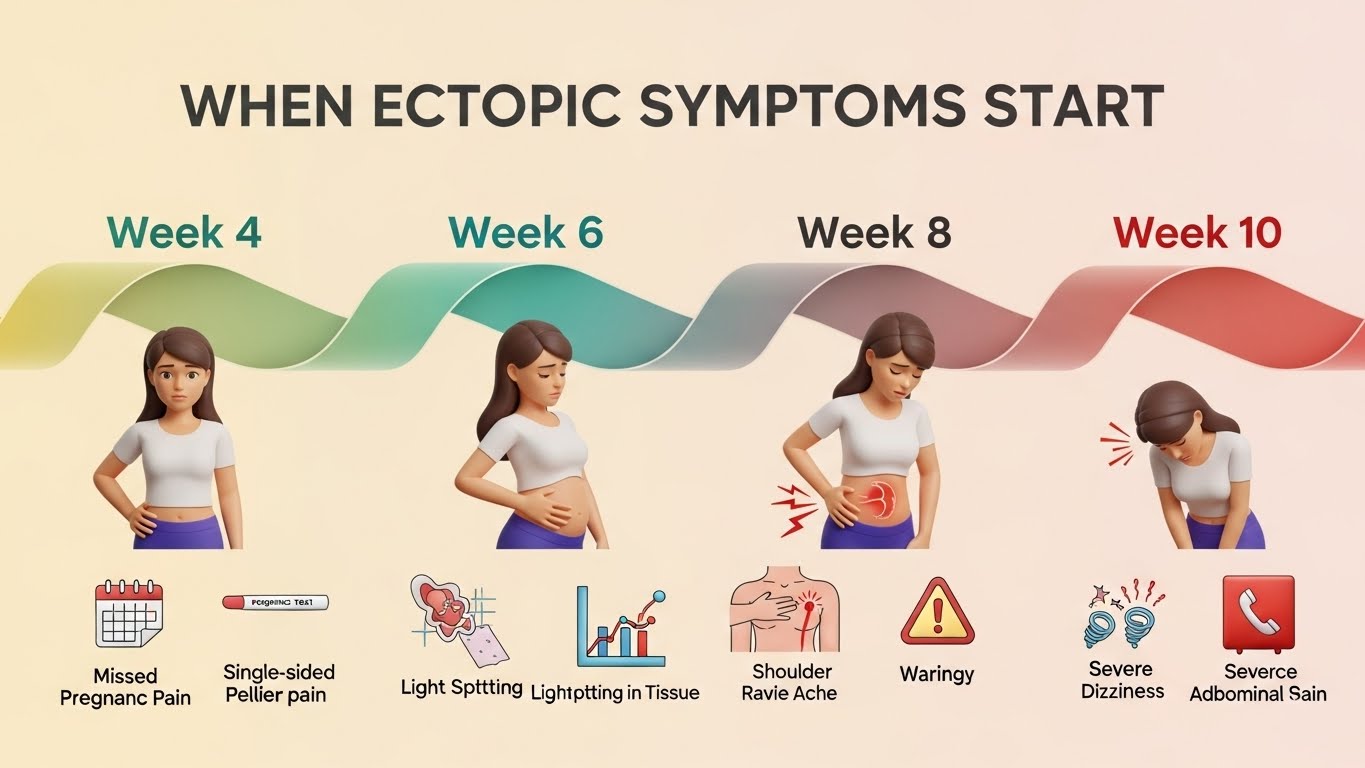
Usually, these symptoms appear around weeks 4 to 6. This is the “transition zone” where implantation has occurred and the body is rapidly ramping up production of hCG.
Common Causes of Loose Stools During Pregnancy
Sometimes, diarrhea isn’t caused by the pregnancy hormones themselves, but by the lifestyle changes that come with finding out you’re expecting.
Dietary Shifts and New Food Sensitivities
The moment you see that positive test, you might suddenly start eating more fiber, fruits, and vegetables. While these are great choices, a sudden increase in fiber can lead to loose stools as your gut adjusts. You may also find that foods you used to love—like spicy dishes or dairy, now suddenly irritate your stomach.
Side Effects of Prenatal Vitamins and Iron Supplements
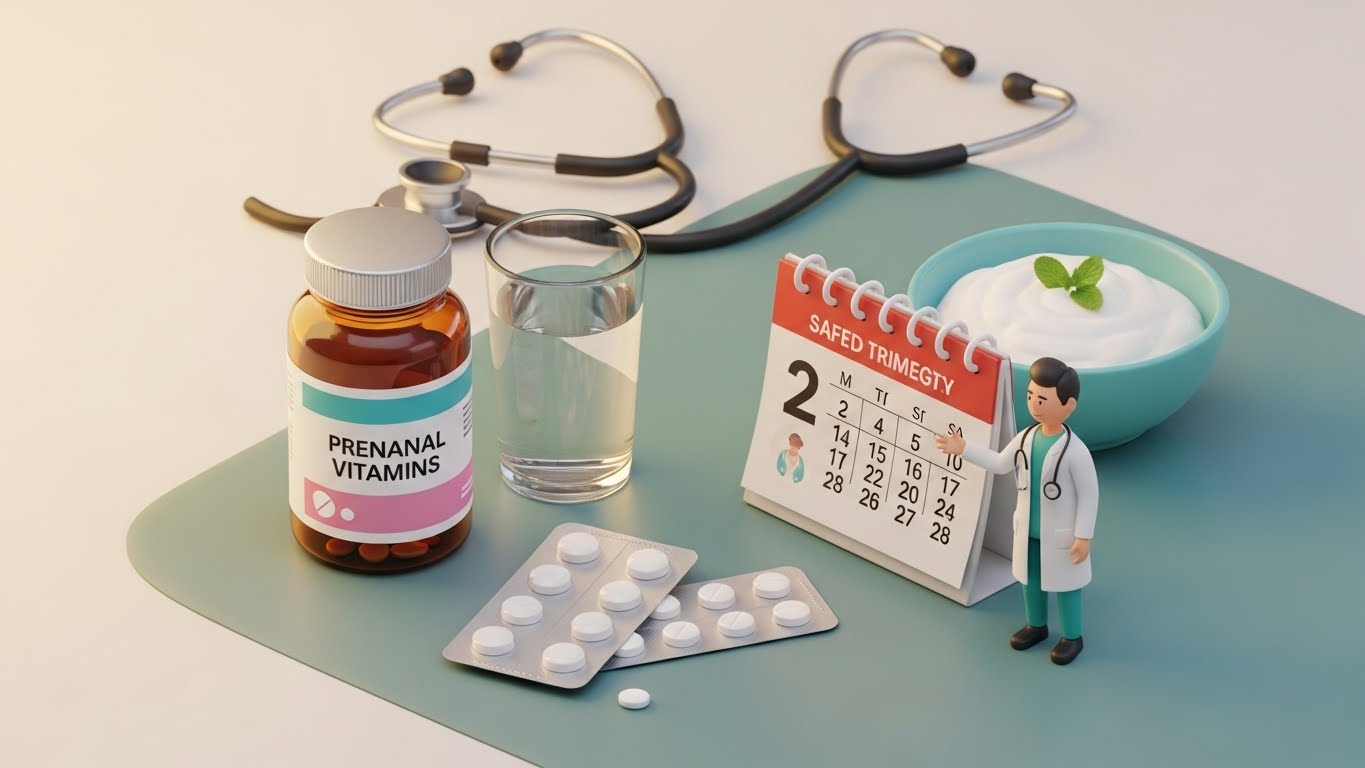
Prenatal vitamins are essential, but they can be hard on the stomach. Many contain high levels of iron, which famously causes constipation, but in a significant number of women, it actually triggers diarrhea or cramping. If you suspect your vitamin is the culprit, try taking it with a meal rather than on an empty stomach.
Is it a Stomach Bug or Pregnancy?
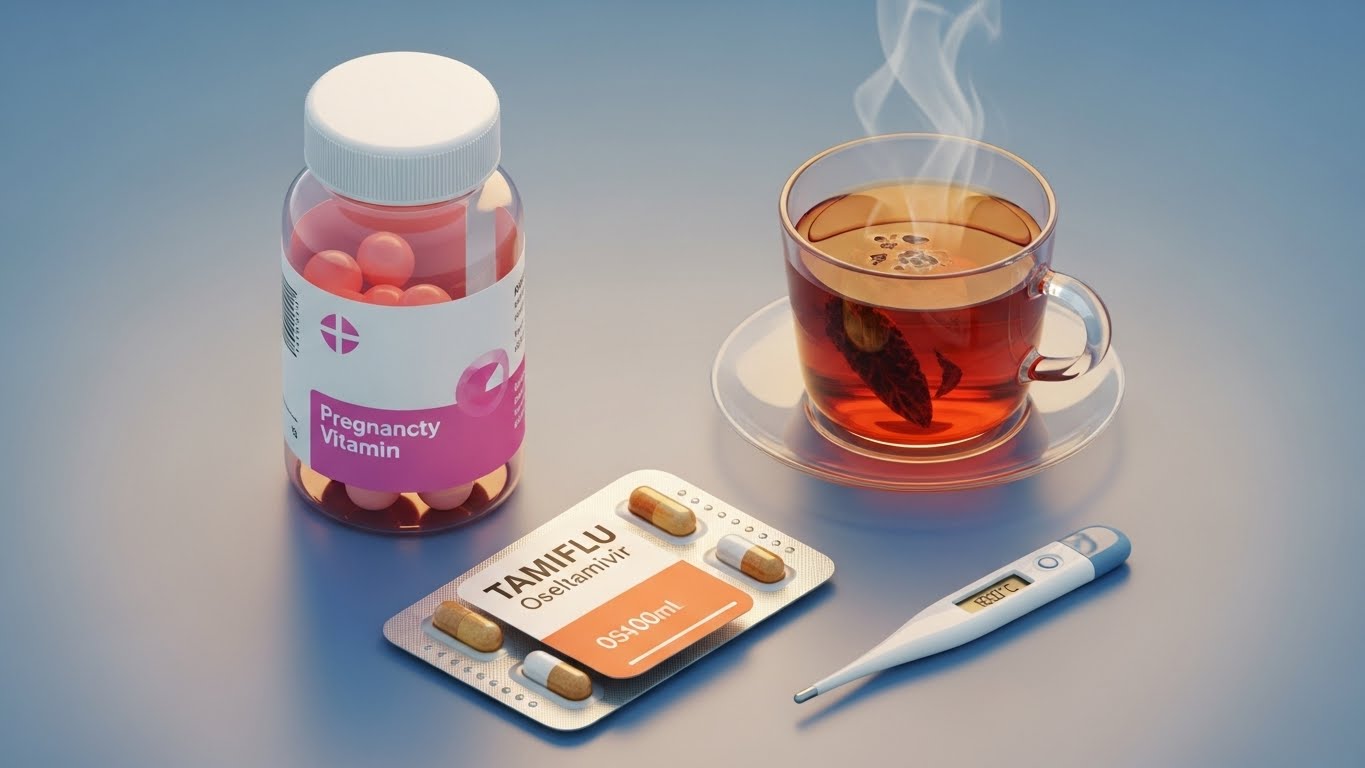
It is important to remember that being pregnant doesn’t make you immune to the common stomach flu or food poisoning. If your diarrhea is accompanied by a fever or intense vomiting, it is likely a viral or bacterial issue rather than a hormonal one. Understanding the nuances of early pregnancy, such as what is chemical pregnancy, can also help you understand how your body reacts to early hormonal changes, even if the pregnancy doesn’t progress.
Safe Management and Relief Tips
If you are dealing with this, the goal is to calm your digestive system without using harsh medications that might not be safe for the baby.
The BRAT Diet for Pregnant Women
For decades, we have recommended the BRAT diet for short-term relief:
- Bananas (rich in potassium)
- Rice (easy to digest)
- Applesauce (provides pectin)
- Toast (plain starch)
These foods are “binding” and help firm up the stool while giving your gut a break.
Maintaining Electrolyte Balance and Hydration
The biggest risk with diarrhea during pregnancy is dehydration. When you lose fluids, you also lose salts like sodium and potassium. Sip on clear broths, coconut water, or electrolyte-replacement drinks. Avoid sugary sodas or heavy juices, as the high sugar content can actually make diarrhea worse by drawing more water into the gut.
When to Contact Your Healthcare Provider
Most cases of pregnancy-related diarrhea clear up on their own as your body finds its “new normal.” However, you should call your doctor if:
- The diarrhea lasts more than 48 hours.
- You see blood or mucus in your stool.
- You have signs of severe dehydration (dark urine, dizziness, extreme thirst).
- You have a high fever or severe abdominal pain.
Frequently Asked Questions
While not a primary sign like light spotting, some women do report digestive changes during the implantation window (6–12 days after conception) due to the sudden shift in progesterone.
Yes. At four weeks, your body is reaching a peak of hormonal activity. The cramping might be the uterus expanding or the bowels reacting to prostaglandins.
Don’t stop without talking to your doctor. They might suggest a different brand or a formula with less iron to see if that settles your stomach.