
Heartburn during pregnancy isn’t just a “sour stomach.” For many women I see in my clinic, it feels like a literal fire rising from the chest into the throat, making it nearly impossible to enjoy a meal or get a decent night’s sleep. When Tums or Rolaids stop doing the trick, the next question is almost always: “Can I take Pepcid?”
As a gynecologist who has spent years helping women navigate these physical hurdles, I want to give you the clear, medical-backed answers you need. At PregnancyClarity, we believe you shouldn’t have to choose between your comfort and your baby’s safety.
The Medical Verdict: Can You Take Pepcid While Pregnant?
The short answer is yes. In most cases, Pepcid is considered safe for use during all stages of pregnancy.
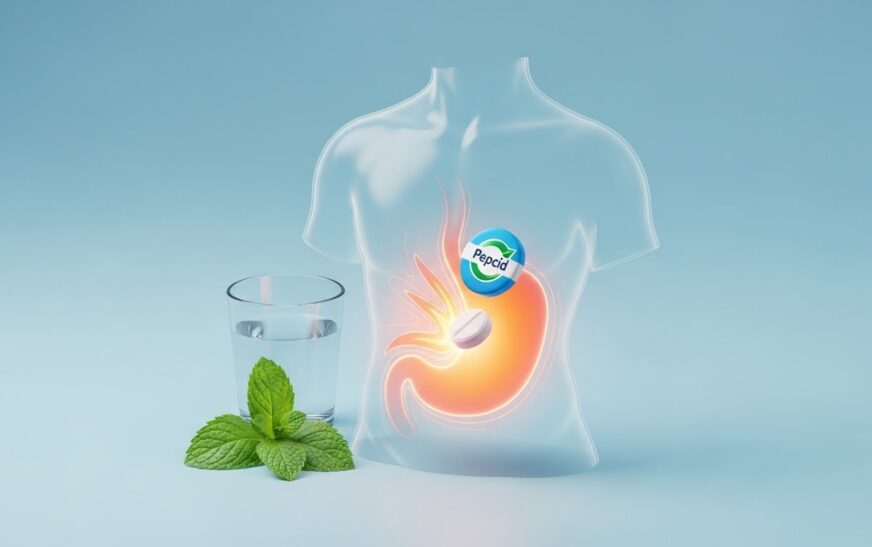
Pepcid is the brand name for a drug called famotidine. It belongs to a group of medications known as H2 receptor antagonists (or H2 blockers). Unlike a standard antacid that simply neutralizes the acid already sitting in your stomach, Pepcid works by signaling your body to produce less acid in the first place.
Understanding Safety Ratings for Famotidine
For years, the medical community used the FDA’s letter-grading system. Famotidine was classified as Category B. This means that animal studies showed no risk to the fetus, and while there aren’t massive, controlled trials in pregnant humans (for ethical reasons), decades of real-world use have shown no link to birth defects or pregnancy complications.
Today, we look at the data more specifically. We know that Pepcid does not appear to increase the risk of miscarriage or early labor. It is a reliable “step-up” treatment when lifestyle changes and basic antacids aren’t enough to handle the reflux.
How H2 Blockers Work Differently Than Antacids
Think of your stomach acid like a sink that is overflowing. Taking a Tums is like mopping up the water on the floor. It helps for a moment, but if the faucet stays on, the floor gets wet again. Pepcid actually turns the faucet down. By blocking the histamine receptors in your stomach lining, it prevents the overproduction of acid, providing longer-lasting relief, usually up to 12 hours.
Safety by Trimester: From Conception to Birth
Pregnancy changes your body every single week, and the reasons for your heartburn change along with it.
Using Pepcid in the First Trimester
In the first few months, your heartburn is mostly hormonal. Your body produces high levels of progesterone, which is vital for maintaining the pregnancy. However, progesterone also relaxes smooth muscles throughout your body, including the lower esophageal sphincter (the valve that keeps acid in your stomach). When this valve relaxes, acid leaks upward.
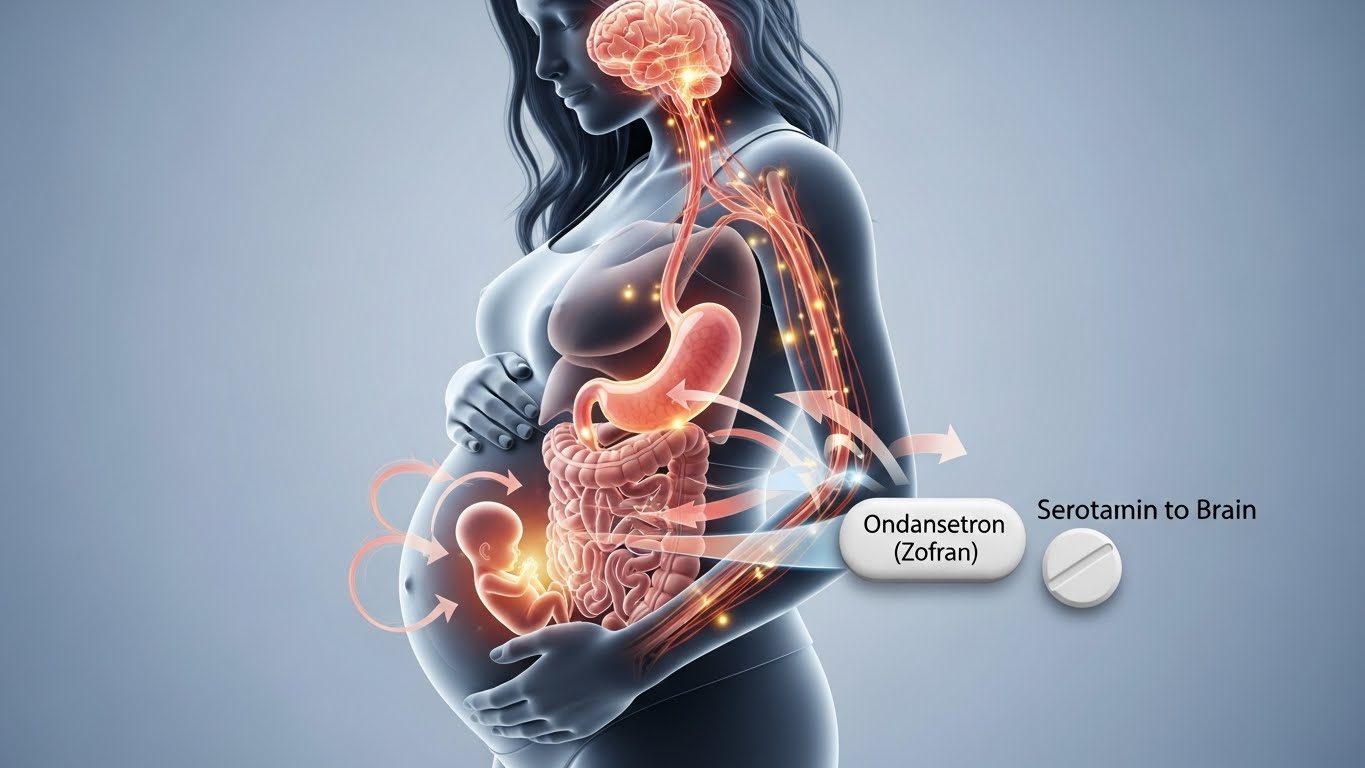
While many women worry about taking anything in the first trimester, famotidine has a very clean track record during this critical stage of development. If your acid reflux is making your morning sickness worse, treating the acid can sometimes help settle your stomach. However, if your main struggle is severe vomiting rather than just a “burn,” you might want to look at whether Zofran is safe during pregnancy to address the nausea directly.
Managing Third Trimester Heartburn and Pressure
By the third trimester, the “fire” is often physical. Your growing baby is now pushing your stomach upward, leaving very little room for food and acid. At this stage, many of my patients find that they need a daily dose of Pepcid just to stay comfortable. The safety remains high here, and using it can actually help you get the rest you need before the baby arrives.
Recommended Pepcid Dosage for Expectant Mothers
When you walk into a pharmacy in the USA, you will see several versions of Pepcid. It can be confusing to know which one to grab.
Standard Over-the-Counter vs. Prescription Strengths
- Pepcid AC (Original Strength): Usually contains 10mg of famotidine.
- Pepcid AC (Maximum Strength): Usually contains 20mg of famotidine.
- Pepcid Complete: This is a chewable that combines 10mg of famotidine with calcium carbonate (the stuff in Tums).
I usually suggest starting with the lowest effective dose. Most women find relief with 10mg taken once or twice a day. If your symptoms are severe, your doctor might approve the 20mg dose.
When to Take Your Dose for Maximum Relief
Timing is everything. Since Pepcid prevents acid production, it works best if you take it 15 to 60 minutes before you eat a meal that usually triggers your heartburn. If your reflux is worse at night, taking it about an hour before bedtime can help prevent that middle-of-the-night “burn” that wakes you up.
Potential Side Effects and Risks to Monitor
Even though it is safe for the baby, Pepcid can sometimes make you feel a bit off. Every pregnancy is different, and your body might react to the medication in its own way.
Common Reactions: Headaches and Digestion Changes
The most common side effect I hear about in my office is a mild headache. Some women also report feeling dizzy or experiencing diarrhea or constipation. These are usually mild and go away as your body gets used to the medication.
Interaction with Other Pregnancy Medications
It is important to remember that some medications need stomach acid to be absorbed correctly. If you are taking iron supplements for anemia (which is very common), Pepcid can actually make it harder for your body to soak up that iron. I recommend taking your iron at least two hours apart from your Pepcid dose.
When you are looking at your medicine cabinet, remember that “safe” for one thing doesn’t mean “safe” for everything. While Pepcid is a go-to for many, you should still be very careful and check if you can take ibuprofen during pregnancy, as NSAIDs like Advil or Motrin carry much higher risks for your baby’s heart and kidney health than H2 blockers do.
Natural Ways to Ease Acid Reflux Without Medication
Before reaching for a pill, I always encourage my patients to try a few habit changes. Even if you do take Pepcid, these tips will make the medicine work better.
Dietary Adjustments for Relief
- Eat Small, Frequent Meals: Instead of three big meals, try six small ones. This keeps your stomach from getting too full and pushing acid up.
- Identify Triggers: Common culprits include spicy foods, citrus, chocolate, and caffeine.
- Watch the Liquids: Try not to drink a huge glass of water during your meal. Drink between meals so your stomach isn’t over-distended.
Sleep Positions and Lifestyle Habits
- The Left Side: Sleeping on your left side makes it harder for acid to escape the stomach due to the natural curve of your anatomy.
- Elevate Your Head: Use a wedge pillow to keep your chest higher than your stomach.
- The 3-Hour Rule: Avoid eating at least three hours before you lie down for the night.
Managing the “Side Effects of the Side Effects”
Sometimes, fixing one problem creates another. In my experience at PregnancyClarity, I have seen that changing the acid levels in the stomach can occasionally slow down digestion. If your efforts to stop the heartburn leave you feeling backed up, it is worth looking into if Miralax is safe during pregnancy to help keep your digestive tract moving smoothly.
Frequently Asked Questions
Yes, a small amount of famotidine can cross the placenta and reach the baby. However, there is no evidence that this small amount causes any harm. It has been studied extensively, and the medical consensus is that the benefits of treating severe reflux outweigh the minimal exposure.
“Better” depends on your symptoms. Tums works instantly but wears off quickly. Pepcid takes about an hour to kick in but lasts all day or all night. Many women use a combination: a Tums for immediate relief and a Pepcid for long-term prevention.
Yes. Famotidine does pass into breast milk, but in very low concentrations. It is considered compatible with breastfeeding by the American Academy of Pediatrics.
Medical Perspective: When to Call Your Doctor
While Pepcid is a great tool, it isn’t a cure-all. You should contact your OB-GYN or primary care provider if:
- Your heartburn is accompanied by pain in the upper right side of your abdomen (which can sometimes be a sign of preeclampsia).
- You are losing weight because you can’t keep food down.
- You have trouble swallowing or feel like food is getting “stuck” in your throat.
- You see blood in your vomit or have black, tarry stools.
At PregnancyClarity, our mission is to make sure you feel empowered during these nine months. Heartburn is a rite of passage for many, but you don’t have to suffer through it. Talk to your doctor, try the lifestyle changes, and if the fire persists, know that Pepcid is a safe, effective option for you and your little one.