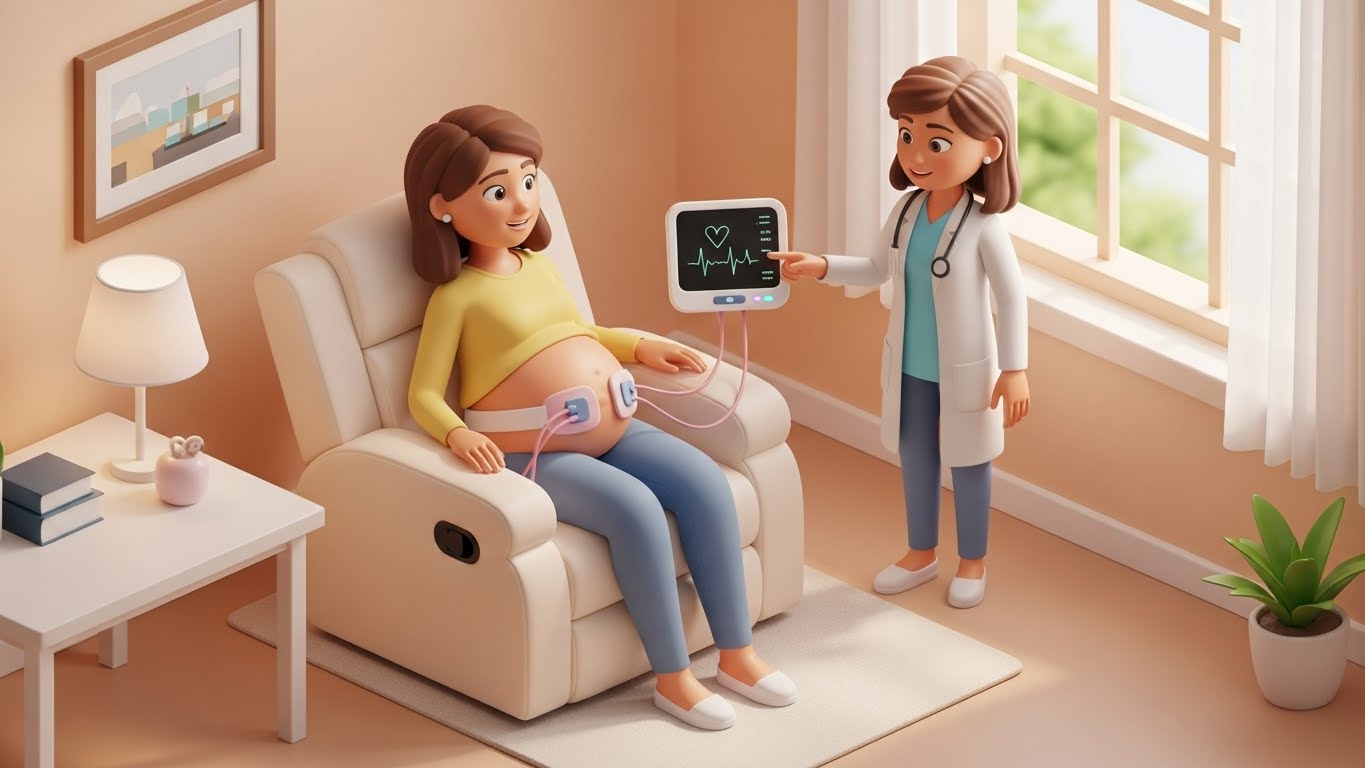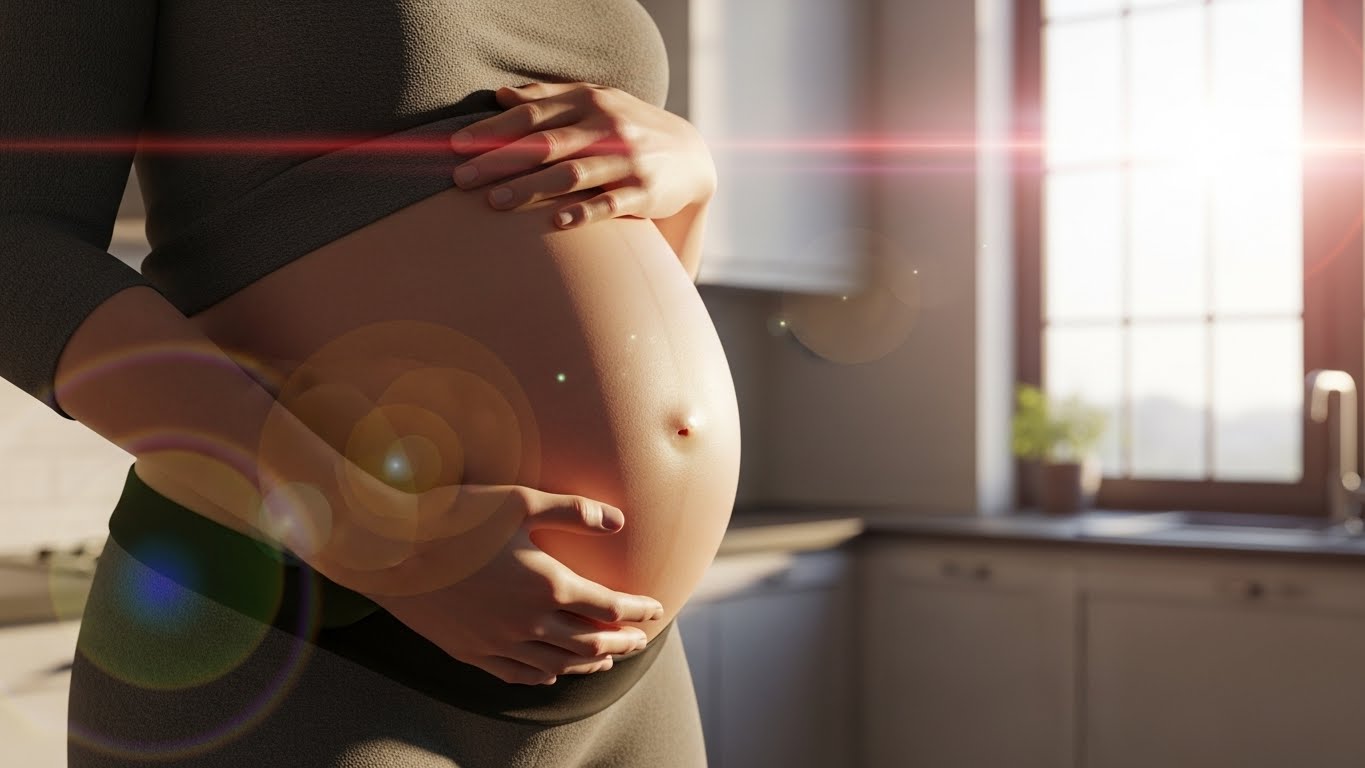


For most women, the physical “pop” of a pregnancy bump occurs between weeks 12 and 16. However, this isn’t a strict rule. In my practice, I find that the transition from looking bloated to looking pregnant is a gradual process involving your anatomy, your hormones, and the growth of your baby.
During the first few weeks, your baby is tiny, roughly the size of a poppy seed or a lentil. At this stage, your uterus is still tucked safely behind your pelvic bone. It is medically impossible to have a “baby bump” at six weeks, though many of my patients feel like they have one. This is usually due to rising progesterone levels, which slow down your digestion and cause significant water retention and gas.
The First Trimester: Why Most Women Don’t Show Early On
In the first trimester, the changes are mostly internal. Your body is working overtime to build the placenta and increase your blood volume. By week 12, the uterus has expanded to about the size of a large grapefruit. This is the pivotal moment when the uterus starts to rise out of the pelvic cavity and into the abdomen.
Until this “lift” happens, any thickening of your midsection is typically related to your body’s physiological response to pregnancy rather than the actual size of the fetus. If you are struggling with early digestive discomfort or morning sickness, you might be looking for relief. Many patients ask me, is Zofran safe during pregnancy to help manage these early symptoms, as nausea can often make that early bloating feel even more pronounced.
The 12 to 16-Week Shift: The Uterus Emerges
Between the end of the first trimester and the start of the second, the top of the uterus (known as the fundus) becomes palpable. If you lie flat on your back and press gently just above your pubic bone, you might feel a firm, rounded edge.
This is the period when most first-time mothers notice their clothes fitting differently. Your waistline begins to square off, and the “dip” in your waist disappears. By week 16, the uterus is roughly halfway between your pubic bone and your belly button. This is often when friends and family start to notice a visible change in your silhouette.
The 20-Week Mark: The Point of Universal Visibility
By week 20, the fundus usually reaches the level of the navel. At this point, the pregnancy is typically visible to everyone. This is also when we begin measuring “fundal height” at every prenatal visit to ensure the baby is growing at a steady pace.
Factors That Influence When Your Baby Bump Appears
No two bodies are the same, and as a doctor, I emphasize that “showing” is not a competition. Several biological factors determine how quickly your bump becomes public knowledge.
Muscle Tone and Core Strength
Your abdominal muscles, specifically the rectus abdominis, act as a natural corset. If you have a very strong core or are an athlete, these muscles can hold the growing uterus closer to your spine for a longer period. Conversely, if your muscles are more relaxed, the uterus may tip forward earlier, resulting in a more prominent bump sooner.
Body Type and Starting Weight
Your height and the length of your torso play a major role. Women with longer torsos often have more vertical space for the uterus to expand, meaning they may not “show” outwardly until later in the second trimester. Women with shorter torsos have less room, so the uterus has nowhere to go but outward, making the bump visible much earlier.
Why Second Pregnancies Show Much Earlier
If this isn’t your first baby, don’t be surprised if you need maternity jeans by week 8 or 10. This happens because your abdominal muscles and uterine ligaments have been stretched before. They are “primed” to expand, and they don’t offer the same resistance as they did during your first pregnancy. This is a very common observation in my clinic, and it is perfectly normal.
Is It a Bump or Pregnancy Bloat?
It is very common to see a “bump” in the evening that seems to disappear by the morning. This is almost always due to bowel distention and progesterone.
Progesterone is a vital hormone that relaxes the smooth muscles of the uterus to prevent contractions, but it also relaxes the muscles of your digestive tract. This leads to constipation and trapped air. This “bloat” can make you look several months pregnant before your uterus has even left the pelvis.
Identifying Early Pregnancy Changes
Understanding your body’s timeline starts with knowing exactly how far along you are. If you are still in the very early stages of wondering if those physical changes are starting, ensure you have an accurate timeline. It helps to understand when is the best time to take a pregnancy test so you can track your weeks correctly from the start.
What to Do If You Aren’t Showing “On Time”
Social media often makes women feel like they should have a perfect, round bump by a certain week. If you are 18 weeks pregnant and people still can’t tell, please do not worry.
As long as your healthcare provider confirms that the baby’s growth is on track via ultrasound or fundal height measurements, the size of your belly doesn’t matter. Some women have a “retroverted” or “tilted” uterus that leans toward the back, which can delay the appearance of a bump for several weeks.
Tips for Managing the Transition
- Switch to side-panel leggings early: Don’t wait for a full bump to seek comfort.
- Stay hydrated: This helps reduce the progesterone-related bloating that can make your stomach feel tight and uncomfortable.
- Focus on posture: As your center of gravity shifts, your lower back will begin to arch. Practicing good posture now will prevent pain later.
Summary of Growth Milestones
| Gestational Week | Uterus Size/Position | Visibility Level |
| Week 8 | Size of a large lemon; hidden in pelvis | Mostly bloating, not a bump |
| Week 12 | Size of a grapefruit; at pelvic brim | “Popping” for some, clothes feel tight |
| Week 16 | Halfway to the belly button | Visible to the mother and close friends |
| Week 20 | At the level of the belly button | Generally visible to the public |
Every pregnancy is a unique biological event. Whether you show at 10 weeks or 20 weeks, the most important factor is the health and development of the baby inside. If you ever feel concerned about the size of your abdomen or if you experience sudden pain, always reach out to your OB-GYN for a quick check-up.
As your bump begins to show, the way you move needs to change. In my clinical experience, many women stop exercising because they fear “hurting the bump,” but keeping your core functional is actually the best way to prevent back pain and prepare for delivery.
Here are the specific, safe ways to manage your core and body as your pregnancy becomes visible.
Safe Core Exercises as Your Bump Grows
When you start showing, your center of gravity shifts forward. This puts a lot of stress on your lower back. The goal isn’t to get “six-pack abs” but to support your spine and the extra weight of the uterus.
1. The Pelvic Tilt (Standing or All-Fours)
This is the gold standard for pregnancy back pain.
- How to do it: While on your hands and knees, inhale and let your belly drop slightly. As you exhale, tuck your tailbone and round your back toward the ceiling, engaging your deep abdominal muscles.
- Why it works: It gently stretches the lower back and strengthens the muscles that support your growing uterus.
2. Bird-Dog (Stability Training)
As your bump gets heavier, balance becomes an issue.
- How to do it: On all-fours, extend your right arm forward and your left leg back simultaneously. Hold for three seconds and switch.
- Why it works: It engages the “wrap-around” muscles of your core (the transverse abdominis) without putting direct pressure on the baby.
3. Diaphragmatic Breathing
This is often overlooked but vital.
- How to do it: Place your hands on your ribs. Breathe in deeply so your ribs expand sideways, then exhale and feel your belly “hug” the baby toward your spine.
- Why it works: It keeps your deep core active and helps manage the pressure that causes diastasis recti (the separation of abdominal muscles).
Movements to Avoid Once You Are Showing
Once that bump is visible (usually after the 12-16 week mark), certain traditional exercises can do more harm than good.
- Avoid Flat-Back Crunches: After the first trimester, lying flat on your back can compress the vena cava—a major vein that carries blood to your heart and the baby. It can make you feel dizzy or nauseous.
- Stop “Coning” Movements: If you see your stomach “tenting” or forming a cone shape during an exercise (like getting out of bed), stop. This means there is too much internal pressure. Instead, roll onto your side and use your arms to push yourself up.
- No Heavy Twisting: Your ligaments are becoming looser due to a hormone called relaxin. Sharp, twisting motions can easily strain your hips or lower back.
Quick Tips for Daily Comfort
- Supportive Footwear: As you show more, your feet may swell or your arches may flatten. Switch to shoes with actual support.
- Belly Bands: If you are on your feet a lot, a simple maternity support belt can take the “heavy” feeling off your pelvis.
- Hydration and Cramps: Leg cramps often start around the same time the bump pops. Increasing your magnesium and water intake can help.
Whether you are just starting to feel your clothes get tight or you have a clear, rounded bump, listening to your body is key. Every woman carries differently, and every body adapts in its own time.
As a gynecologist, I always tell my patients that 15 minutes of intentional movement is better than an hour of sporadic exercise. This routine is designed to be gentle on your joints while focusing on the areas that suffer most as your body changes: your lower back, your pelvis, and your core.
Here is a trimester-by-trimester daily routine that you can do at home with no equipment.
The 15-Minute Pregnancy “Maintenance” Routine
First Trimester: Focus on Fatigue and Foundation (Weeks 1–12)
During these weeks, you might feel exhausted or nauseous. The goal here is blood flow and setting a foundation for your core.
- 0–5 Minutes: Cat-Cow Stretch. Get on all fours. Inhale as you look up and let your belly sink; exhale as you arch your back like a cat. This wakes up the spine.
- 5–10 Minutes: Diaphragmatic “Hugging” Breaths. Sit comfortably. Inhale to expand your ribs. As you exhale, imagine your abdominal muscles giving your tiny baby a gentle hug. This builds the deep core strength you’ll need later.
- 10–15 Minutes: Glute Bridges. Lie on your back with knees bent. Lift your hips toward the ceiling. Since your uterus is still small, lying on your back is perfectly safe right now. Strong glutes prevent hip pain later.
Second Trimester: The “Showing” Phase (Weeks 13–27)
Now that your bump is visible, we shift away from lying flat on your back and focus on stability and posture.
- 0–5 Minutes: Standing Pelvic Tilts. Stand with your back against a wall. Press the small of your back into the wall by tucking your pelvis, then release. This teaches your body how to carry the extra front-weight without straining your spine.
- 5–10 Minutes: Bird-Dog. On all fours, extend the opposite arm and leg. This is the best way to keep your core functional as your center of gravity shifts.
- 10–15 Minutes: Modified Squats. Use a chair for balance if needed. Keep your feet wider than your hips to make room for the bump. Squatting helps prepare the pelvic floor for delivery.
Third Trimester: Preparation and Relief (Weeks 28–40)
The bump is heavy now. We focus on opening the hips and relieving pressure on the pelvic floor.
- 0–5 Minutes: Butterfly Stretch. Sit on the floor with the soles of your feet together. Let your knees drop toward the floor. This opens the pelvis.
- 5–10 Minutes: Side-Lying Leg Lifts. Lie on your side with your head supported by your arm. Lift your top leg slowly. This keeps your hips strong, which helps during labor.
- 10–15 Minutes: Child’s Pose (Wide Knee). Kneel on the floor, spread your knees wide to accommodate your belly, and lean forward. Rest your forehead on your hands. This provides instant relief for lower back pressure.
Clinical Safety Reminders
As you follow these routines, keep these three professional tips in mind:
- The “Talk Test”: You should always be able to carry on a conversation while exercising. If you’re too breathless to speak, slow down.
- Watch for “Coning”: If your abdomen forms a ridge or a cone shape during movement, you are putting too much pressure on your midline. Scale back the intensity.
- Stay Cool: Your body temperature runs slightly higher during pregnancy. Ensure you are in a well-ventilated room and drinking plenty of water.
If you ever feel a sudden sharp pain, dizziness, or notice any fluid leakage, stop immediately and call your doctor. These exercises are meant to support your body, not stress it.
Frequently Asked Questions
At 8 weeks, your baby is only about the size of a raspberry, and your uterus is still deep within your pelvis. The “bump” you see this early is almost certainly bloating. Rising progesterone levels slow your digestion, leading to gas and water retention. If this is your second or third pregnancy, your abdominal muscles may also relax sooner, making you look “poppy” earlier than expected.
While rare, it is possible. If you have a shorter torso or a very thin frame, there is less room for the uterus to expand internally before it becomes visible externally. However, for most first-time mothers, a true baby bump doesn’t typically appear until week 12 to 16. If you feel a firm “popping” sensation earlier, it could be due to your specific pelvic anatomy.
Yes, it can be perfectly normal. Factors like having strong abdominal muscles, a long torso, or a “tilted” (retroverted) uterus can hide a pregnancy longer. As long as your doctor confirms the baby is growing well during your mid-pregnancy ultrasound, a small bump is not a cause for concern. Every woman’s body carries the weight of pregnancy differently.
There is no “right” week, but most women find they need them between weeks 12 and 18. A good rule of thumb is to switch once your regular waistbands feel restrictive or leave marks on your skin. Comfort is a priority for a healthy pregnancy, so don’t feel like you have to wait for a certain milestone to make the switch.
Yes. Generally, women with a lower BMI may notice a visible bump sooner because there is less natural tissue to mask the expanding uterus. Women with a higher BMI might not see a distinct “round” pregnancy shape until later in the second trimester, as the uterus has more internal space to expand before it pushes outward.
The most important thing to remember is that the “outside” of your pregnancy rarely tells the whole story of what is happening on the inside. Whether you show early or late, stay focused on your prenatal care, nutrition, and mental health.
If you are just beginning this journey and aren’t sure of your timeline yet, remember to check when is the best time to take a pregnancy test so you can track these milestones accurately. If you ever feel that your bump is growing too rapidly or not at all, your healthcare provider is your best resource for peace of mind.