
As a gynecologist who has spent years helping women navigate the emotional journey of trying to conceive, I know that the “two-week wait” can feel like an eternity. That period between ovulation and your expected period is often filled with a mix of hope and anxiety. You want an answer, and you want it now.
However, the human body follows a very specific biological timeline. Testing too early can lead to a “false negative,” which often causes unnecessary heartbreak when you might actually be pregnant. To get a clear result that you can trust, you need to understand what is happening inside your body and how these tests actually work.
The Science of Testing: How Early Can You Really Know?
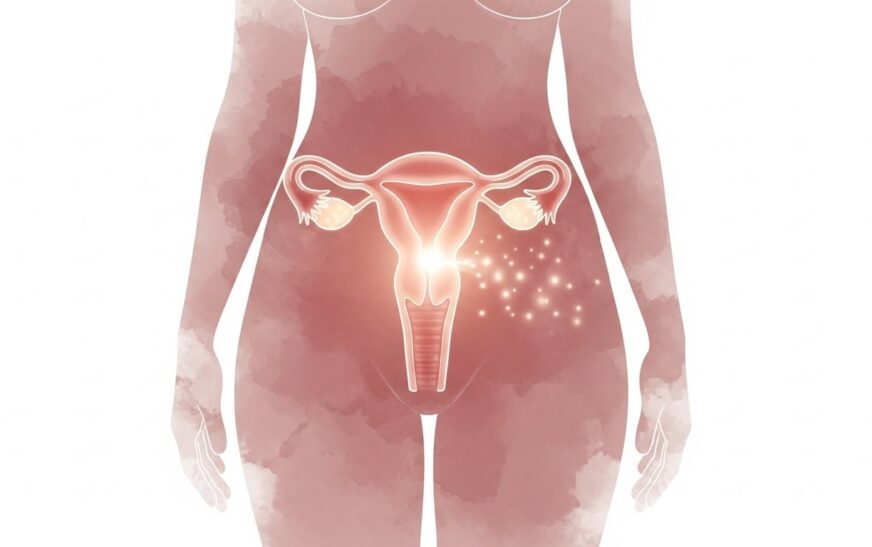
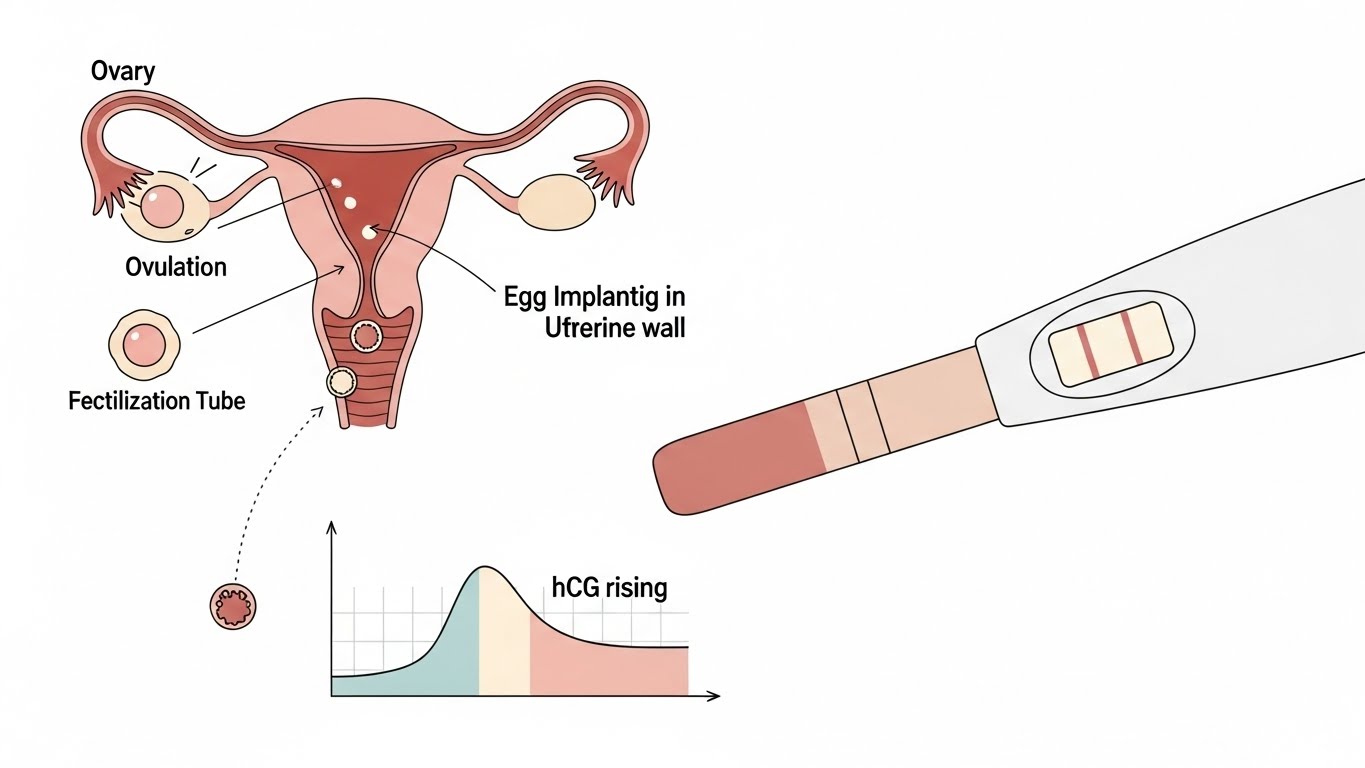
Every home pregnancy test is designed to find one specific thing: a hormone called Human Chorionic Gonadotropin (hCG). Your body does not start producing this hormone immediately after intercourse. Instead, it only begins once a fertilized egg travels down the fallopian tube and attaches itself to the lining of your uterus, a process called implantation.
What is hCG and When Does it Appear?
Think of hCG as the “signal” your body sends to tell your system to stop the menstrual cycle and start supporting a pregnancy. For most women, implantation happens about 6 to 12 days after ovulation. Once the egg is tucked into the uterine wall, the placenta begins to form and release hCG into your bloodstream and urine.
In the very early stages, these levels are incredibly low. They typically double every 48 to 72 hours. If you test the day after implantation, the amount of hormone in your urine might be so small that even the most sensitive test cannot find it.
The Role of Implantation in Your Timeline
Because implantation timing varies from person to person, there is no “one size fits all” day to test. If you have a shorter cycle, you might see a positive result sooner than someone with a 35-day cycle. This is why tracking your ovulation is far more helpful than simply counting days since you last had sex.
The Ideal Timing for Reliable Results
If you want to avoid the “faint line” confusion or the letdown of a false negative, timing is everything. While many boxes claim they can give you results five days before your missed period, those results are not always 100% reliable.
Testing After a Missed Period
The most reliable time to take a test is the first day of your missed period. By this point, if you are pregnant, your hCG levels are usually high enough for almost any over-the-counter test to pick up. Waiting until this day brings the accuracy rate up to about 99%.
Early Detection Tests: Are They Worth It?
“Early result” tests are more sensitive, meaning they can detect lower concentrations of hCG (measured in mIU/mL). While they can provide an early answer, a negative result four days before your period doesn’t necessarily mean you aren’t pregnant. It might just mean your levels haven’t hit the threshold yet. If you choose to test early, always plan to re-test if your period doesn’t show up on time.
Why Your Cycle Regularity Matters
If your periods are irregular, you cannot rely on a “missed period” date. In these cases, I usually tell my patients to wait at least 21 days after they had unprotected sex. This allows enough time for ovulation, conception, and implantation to occur, even if their dates were slightly off.
Morning vs. Evening: Does the Time of Day Matter?
I often get asked if it’s okay to take a test after work or before bed. The answer depends on how far along you might be.
Why First Morning Urine Provides the Best Data
During the night, you usually go several hours without drinking water or using the bathroom. This allows the hCG in your bladder to become highly concentrated. For an early pregnancy, this “first morning’s gold” is your best chance at a clear positive.
How Hydration Affects Your Results
If you drink several glasses of water or coffee in the afternoon and then take a test, your urine becomes diluted. This can wash out the hCG signal, leading to a negative result even if you are pregnant. If you must test in the evening, try to avoid drinking excessive fluids for at least four hours beforehand to keep the concentration high.
Recognizing Early Signs Before You Take the Test
Your body often starts dropping hints before a test can confirm them. These physical changes are caused by the rapid rise in progesterone and estrogen.
Physical Cues: Sore Breasts and Fatigue
One of the earliest signs is a heavy, tingling, or sore feeling in the breasts. You might also feel an overwhelming sense of exhaustion that a nap can’t seem to fix. This is your body’s way of diverting energy to building the life-support system for a new embryo.
Digestion Changes and Pregnancy Indicators
Hormones slow down your entire digestive tract to ensure your body absorbs every possible nutrient. This often leads to bloating or nausea. Interestingly, some women notice that is diarrhea a sign of pregnancy in their specific case, as the sudden shift in hormones can sometimes irritate the bowel instead of slowing it down.
Common Testing Mistakes to Avoid
Even with a high-quality test, user error can lead to confusion. As a doctor, I’ve seen many patients come in stressed because of a “maybe” result.
- Reading the Test Too Late: Most tests have a 3-to-5-minute window. If you leave a test on the counter for an hour and then see a faint line, that is likely an evaporation line, not a positive result.
- Checking for “Faint Lines”: A line is a line. If it appears within the time limit and has color, it is almost certainly a positive. If it is colorless and only visible in certain light, it’s probably the indent where the ink should have gone.
- The “Chemical Pregnancy” Reality: Sometimes a test shows a faint positive, but then a heavy period arrives a few days later. This is often a chemical pregnancy, a very early miscarriage where the egg implanted but did not continue to grow. It is a common occurrence, though no less difficult to process.
Next Steps After a Positive Result
Once you see those two lines, the focus shifts from “am I?” to “what now?”. Your first step should be to call your healthcare provider to schedule a prenatal visit.
When Will My Body Start Changing?
Many women expect to feel pregnant immediately, but it takes time for the physical “bump” to appear. If you are curious about the physical timeline, you can read more about when do you start showing pregnancy to understand what to expect in the coming months.
Quick Timing Guide
| Your Situation | Recommended Testing Time | Reliability |
| Regular Cycles | 1 day after missed period | Very High (99%) |
| Early Testing | 4-5 days before period | Moderate (60-75%) |
| Irregular Cycles | 21 days after intercourse | High |
| After Symptom Onset | Immediately (with morning urine) | High |
Frequently Asked Question
No. It is physically impossible for a test to be positive 5 days after sex. The egg hasn’t even had time to implant and start producing the hormone yet.
If your period is more than a week late and the test is still negative, it is time to see a doctor. Stress, illness, or hormonal imbalances can delay your period, or you might have ovulated much later than you thought.
Most medications, including antibiotics and birth control pills, do not affect pregnancy tests. Only medications containing hCG (often used in fertility treatments) can cause a false positive.