
As a gynecologist, I see the excitement and sometimes the anxiety in a woman’s eyes during those first few prenatal visits. One of the most frequent questions I hear isn’t about nutrition or lab results, but rather: “When will I actually look pregnant?”
The transition from “feeling” pregnant to “looking” pregnant is a major milestone for any mother. It makes the experience feel tangible. However, there is no single date on the calendar when every woman “pops.” Your body is a unique environment, and how it responds to the growing fetus depends on a variety of biological factors.
The Medical Timeline: When Most Women See a Baby Bump
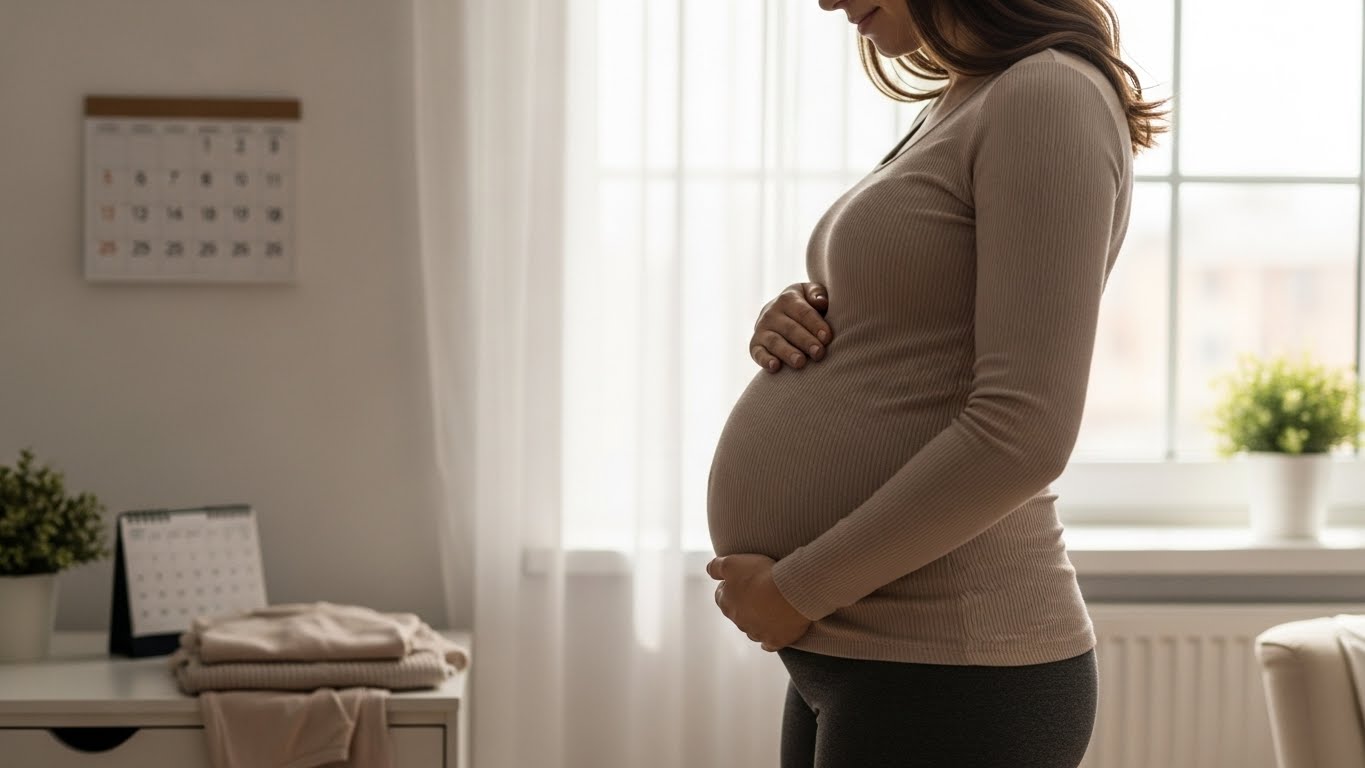
In my years of clinical practice, I have found that most women start showing between 12–16 weeks, depending on body type. During the first several weeks, your baby is still tucked deep within the protective bowl of your pelvis.
The Typical 12 to 16-Week Window
By the time you reach the end of the first trimester (around week 12), the uterus has grown from the size of a small lemon to the size of a large grapefruit. This is the physiological tipping point. The uterus expansion causes the belly to grow outward because it simply runs out of room inside the pelvic cavity. For some, this results in a small, firm mound just above the pubic bone.
Why the Second Trimester is the “Pop” Phase
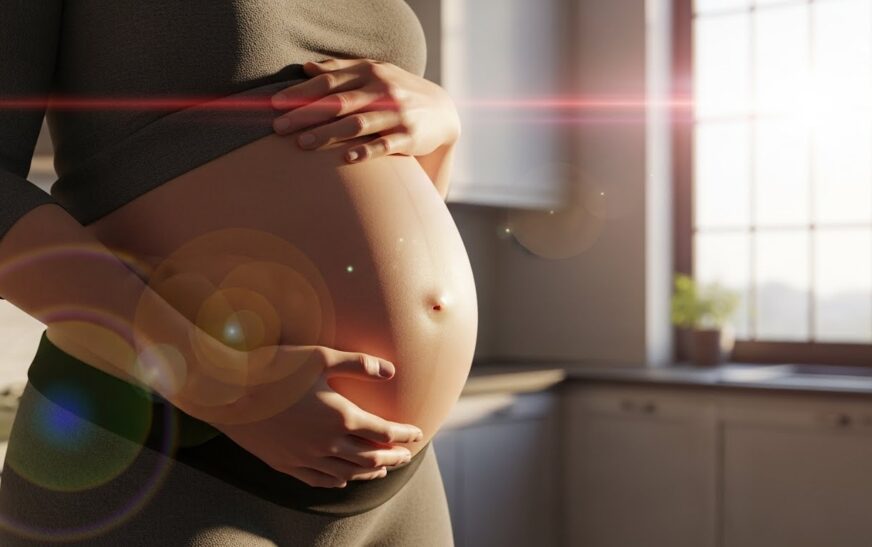
The second trimester is often called the “golden period,” and for good reason. As the baby development accelerates, the uterus continues to rise toward the navel. By week 20, the top of the uterus (the fundus) is usually level with your belly button. This is the stage where the early pregnancy belly becomes undeniable to the outside world, transitioning from looking like a heavy meal to a clear baby bump.
Factors That Determine How Early Your Bump Appears
Every mother carries differently. If you are comparing your belly to a friend’s or even a stranger’s on social media, I encourage you to stop. Several clinical factors dictate the belly visibility timeline.
First Pregnancy vs. Second Pregnancy: Why Your Muscles Remember
I often tell my patients that first-time mothers may notice a bump later than mothers with previous pregnancies. There is a simple reason for this: muscle memory. In a first pregnancy, the abdominal muscles are tight and have never been stretched to this degree. They act as a natural girdle, holding the uterus closer to the spine.
In subsequent pregnancies, those muscles and ligaments have been through the process before. They are more “relaxed” and tend to yield more quickly to the pressure of the growing uterus. This is why a second or third-time mom might feel like she is “showing” at 8 or 9 weeks.
Your Body Type and Frame Size
Your height and torso length play a massive role in physical changes in pregnancy. If you have a long torso, there is more vertical room for the uterus to grow, which often means the bump stays smaller or “hidden” for longer. Conversely, women with shorter torsos may find their bump pushing outward much sooner because there is less space between the ribs and the hips.
Uterus Position: Anteverted vs. Retroverted Tipping
Sometimes, the anatomy of the uterus itself is the cause for a late or early show. An anteverted uterus tilts forward toward the abdomen, making a bump visible earlier. A retroverted (tilted back) uterus may stay “hidden” against the spine for several extra weeks until it grows large enough to be forced forward.
First Trimester Changes: Is It a Bump or Bloating?
Many women come into my office at 8 weeks saying they already have a bump. While the baby is only about the size of a kidney bean at this stage, the belly might certainly look larger.
The Role of Progesterone and Digestion
Hormonal changes and bloating can make the bump visible sooner. High levels of progesterone and estrogen slow down your digestive system. This allows your body to absorb more nutrients for the fetus, but it also leads to significant gas and water retention.
When the Uterus Rises Out of the Pelvis
What you see in the mirror at week 9 is usually “bloat,” while the true “baby bump” is the physical presence of the uterus. You can often tell the difference because bloating fluctuates throughout the day, while a true uterine bump is firm and remains consistent. While some women see a change by week 12, others might wait longer. Many factors influence when you start showing pregnancy, including your height and core strength.
Signs Your Pregnancy Bump is Finally Appearing
If you are looking for the first physical clues that your body is shifting, pay attention to these subtle changes.
Changes in How Your Clothes Fit
Before you see a rounded mound, you will notice clothing changes. Your favorite high-waisted jeans might feel uncomfortably tight when you sit down, or the waistbands of your leggings might start to roll down. Clothing choices can also affect how noticeable your pregnancy appears. Soft, stretchy fabrics can highlight the curve, while structured, heavy fabrics may hide it for weeks.
The Appearance of the Linea Nigra
Some mothers notice a dark vertical line appearing on their abdomen. While this is hormonal, it often coincides with the period when the bump becomes more prominent. It is a natural part of the skin’s response to the pregnancy.
Measuring Fundal Height at Your Prenatal Visits
During your checkups, I use a measuring tape to check the distance from your pubic bone to the top of the uterus. This measurement, in centimeters, usually matches your week of pregnancy. If you are 22 weeks pregnant, your fundal height should be around 22 cm. This is one of the most reliable ways we track baby development and growth.
Before the physical bump is visible, you likely relied on early testing. If you are still in the early stages and unsure of your timeline, understanding how soon can you take a pregnancy test helps confirm your gestational age.
Common Questions About Belly Growth
Yes. If you have strong abdominal muscles or a long torso, you might not have a “noticeable” bump until well into your second trimester. As long as your doctor confirms the fetus is growing well, a small bump is not a cause for concern.
Not necessarily. Weight gain and abdominal muscle tone influence bump size significantly. A woman with very strong core muscles may carry “inside,” while someone with less muscle tone might carry “outside.” The size of your belly is more about your body’s housing of the baby than the actual weight of the baby.
This is a very common observation! Throughout the day, your abdominal muscles tire out from supporting your weight and the weight of the uterus. By the evening, they relax, allowing the bump to protrude more. Additionally, the food you’ve eaten throughout the day adds to the volume in your abdomen.
Tips for Embracing Your Changing Body
- Hydrate: Water helps reduce the extreme bloating that can make your abdomen feel uncomfortable.
- Moisturize: As the skin on your belly stretches to accommodate the uterus, it may become itchy. Using a good moisturizer can provide relief.
- Supportive Wear: Once the bump “pops,” a belly band can help take the pressure off your lower back.
- Stay Active: Gentle movement helps maintain the muscle tone that supports your spine as your center of gravity shifts.
The journey of maternal changes is a marathon, not a sprint. Whether you show at 10 weeks or 20 weeks, your body is doing exactly what it needs to do to support new life. Trust the process, and don’t hesitate to ask your healthcare provider if you have concerns about your specific growth.