
As a gynecologist, I have sat across from thousands of expectant mothers who are holding that small, orange bottle of glucose drink with a look of pure dread. The “sugar test” is a milestone in the second trimester that often brings a lot of anxiety. At PregnancyClarity, my goal is to strip away that stress and give you the medical facts you need to feel confident.
The most common question I hear is: “Can I eat breakfast, and if so, what won’t ruin my results?” Let’s break down exactly how to fuel your body on the morning of your screening.
Understanding the 1-Hour Glucose Screening vs. 3-Hour Tolerance Test
First, we need to distinguish which test you are taking. In the United States, the standard procedure involves a 1-hour glucose challenge test usually between 24 and 28 weeks of pregnancy. For this initial screening, most clinics do not require you to fast. You can, and should, eat a sensible breakfast.
However, if your 1-hour results come back high, you will be asked to return for the 3-hour glucose tolerance test (OGTT). This second test almost always requires a strict fast (nothing but water) for 8 to 12 hours beforehand. Always double-check the specific instructions provided by your OB-GYN or lab, as some clinics have unique protocols.
Why Your Morning Meal Matters for Accurate Results
When you drink that 50-gram glucose solution, your pancreas goes to work producing insulin to process the sugar. If you show up to the lab having already eaten a stack of pancakes with syrup, your blood sugar is already “spiked.” Adding the glucose drink on top of a high-sugar meal can overwhelm your system, leading to a “false positive.”
A false positive doesn’t mean you have gestational diabetes; it just means your body couldn’t clear that massive amount of sugar in sixty minutes. This leads to the stress of more blood draws and longer wait times. Our mission at PregnancyClarity is to help you get the most accurate snapshot of your health on the first try.
Best Foods to Eat Before a 1-Hour Glucose Test
The secret to a “safe” pre-test breakfast is stability. You want foods that digest slowly and don’t cause a sharp rise in blood glucose.
High-Protein Options for Stable Blood Sugar
Protein is your best friend on the morning of your test. It takes longer to break down and helps keep your insulin levels steady.
- Eggs: Scrambled, poached, or boiled. Eggs are the gold standard for a pre-test meal.
- Greek Yogurt: Choose the plain, unsweetened variety. You can add a few almonds for crunch, but skip the honey or jam.
- Cottage Cheese: A high-protein, low-carb choice that keeps you full without the sugar rush.
Choosing Complex Carbohydrates with High Fiber
If you feel you need carbs to settle a queasy stomach, focus on fiber. Fiber slows the absorption of sugar into your bloodstream.
- Whole Grain Toast: A single slice of sprouted grain bread topped with avocado or peanut butter (no added sugar).
- Steel-Cut Oats: Avoid the “instant” packets which are often loaded with sugar. A small bowl of plain oats is a great source of slow-burning fuel.
A Sample “Doctor-Approved” Pre-Test Meal Plan
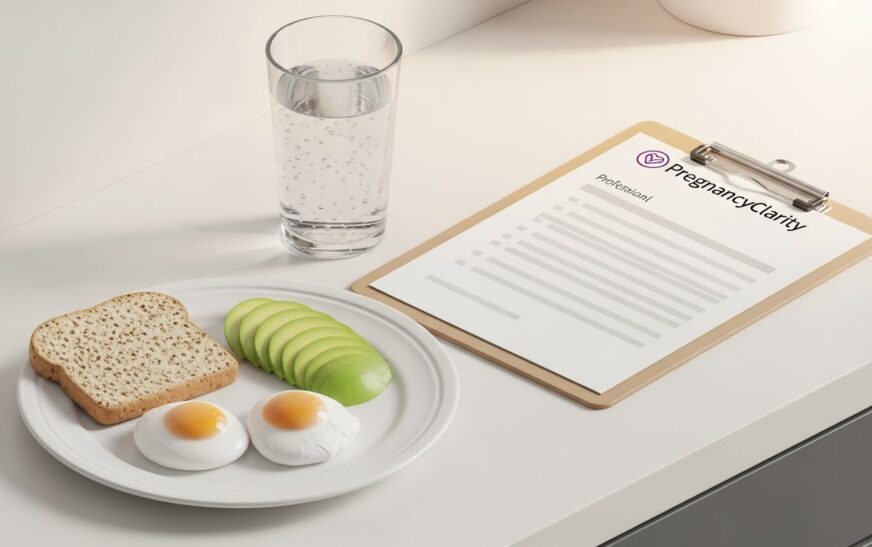
If your appointment is at 9:00 AM, try to finish your breakfast by 7:00 AM. This gives your body time to process the meal before you head to the clinic. Here is a simple, effective menu:
| Component | Food Choice | Why it Works |
| Protein | Two eggs (any style) | Slows digestion and prevents spikes. |
| Healthy Fat | Half an avocado | Provides satiety without affecting glucose. |
| Complex Carb | One slice of whole-wheat toast | Fiber content keeps insulin steady. |
| Beverage | Large glass of water | Hydration makes the blood draw easier. |
What to Avoid: Breakfast Foods That May Cause a False Positive
It is just as important to know what not to put on your plate. Many “healthy” breakfast options are actually sugar bombs in disguise.
Hidden Sugars in Common Breakfasts
You might think a fruit smoothie is a great choice, but for this specific morning, it’s a risk. Fruit contains fructose, a natural sugar that can still push your numbers higher.
- Fruit Juices: Orange, apple, or grape juice are concentrated sugars that hit your bloodstream instantly.
- Cereal: Even “healthy” cereals are often processed grains that turn into sugar quickly during digestion.
- Flavored Yogurts: These often contain as much sugar as a candy bar.
The Problem with Refined Flour
White bread, bagels, and muffins are “simple” carbohydrates. Your body breaks them down almost exactly like it breaks down table sugar. If you eat a bagel before your test, your body is essentially dealing with two glucose drinks instead of one.
Can I Drink Coffee or Tea Before the Test?
Most doctors are fine with you having your morning coffee, but there is a catch: it must be black. Adding cream, sugar, or flavored syrups will compromise the test results. If you can’t drink it black, it is better to wait until after your blood is drawn.
How Long Before the Test Should You Finish Eating?
Timing is everything. I generally recommend finishing your meal at least two hours before you drink the glucose solution. This ensures that your “baseline” blood sugar has returned to normal after eating. While keeping your sugar levels stable is the priority today, you might be looking ahead to natural ways to prep for labor. Many of my patients ask when to start eating dates in pregnancy to help with cervical ripening, but remember to save those high-sugar snacks for after your glucose screening is complete.
What Happens if You Fail the First Screening?
First, take a deep breath. Failing the 1-hour test is incredibly common and does not mean you have failed as a mother or that you are unhealthy. Many women fail the first screening but pass the 3-hour test with flying colors.
The 1-hour test is designed to be very sensitive so that we don’t miss anyone who might need help. Sometimes the nerves of the test or hormonal changes can cause digestive shifts. If you are wondering is diarrhea a sign of pregnancy or just a side effect of your prenatal vitamins, it is always best to monitor these symptoms alongside your glucose results to get a clear picture of your health.
Frequently Asked Questions
Yes! In fact, please do. Staying hydrated makes it much easier for the phlebotomist to find a vein for the blood draw. Just make sure it is plain water—no flavor enhancers or “vitamin” waters.
For the 1-hour test, your dinner the night before doesn’t have a massive impact, but I still suggest a balanced meal of protein and vegetables. Avoid a “last hurrah” dessert right before bed.
The “sugar crash” is real. Once the test is over, you might feel shaky, tired, or even a bit nauseous. This is why I always suggest having a high-protein snack, like a handful of nuts or a cheese stick, waiting in your car for as soon as you leave.
Staying Comfortable During the Test
The 1-hour wait can feel long, especially when you can’t eat. Bring a book, listen to a podcast, and try to stay relaxed. High stress can actually cause your body to release cortisol, which can slightly elevate blood sugar.
Most screenings happen between weeks 24 and 28. By the time you are calculating how many months is 34 weeks pregnant, you will likely have your results and a solid nutrition plan in place to support your baby’s final growth spurt.
At PregnancyClarity, we believe that when you understand the “why” behind medical tests, the “how” becomes much easier to manage. Eat your eggs, drink your water, and remember that this test is just one small tool we use to ensure you and your baby stay safe and healthy.