
As a gynecologist with years of clinical practice, I often sit down with patients who are navigating the confusing world of prenatal nutrition. One of the most frequent questions I get in my office recently is: “Is my daily matcha habit okay for the baby?”
At PregnancyClarity, our goal is to cut through the noise and give you medically grounded answers that you can actually use. Matcha isn’t just your average green tea; it’s a potent, concentrated form of the leaf that comes with specific benefits and a few risks you need to manage.
Can You Drink Matcha While Pregnant?
Yes, you can safely enjoy matcha during pregnancy, but you must monitor your total caffeine intake. Most medical experts, including the American College of Obstetricians and Gynecologists (ACOG), recommend keeping caffeine below 200 milligrams per day. Since one teaspoon of matcha powder typically contains about 60 to 70 milligrams of caffeine, sticking to one or two cups is generally considered safe for your developing baby.
Understanding Matcha vs. Regular Green Tea
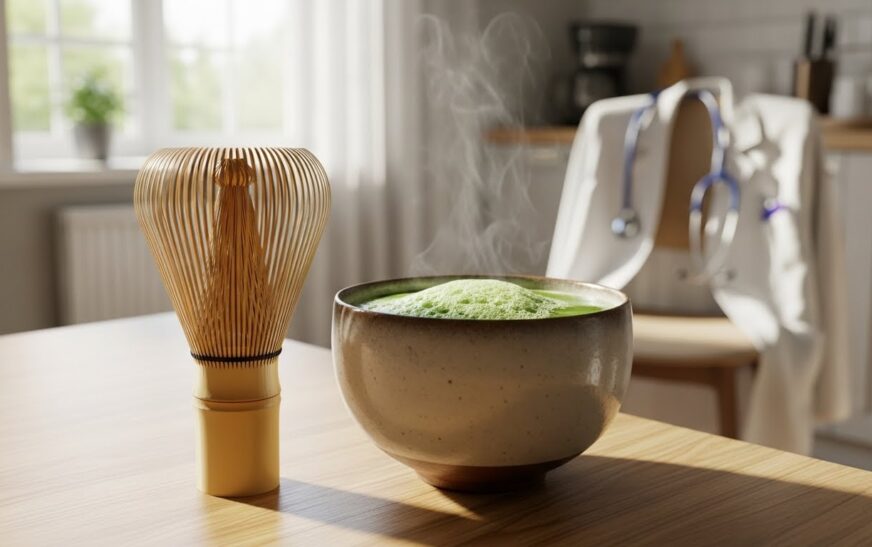
To understand why matcha is different, you have to look at how it’s grown. Unlike traditional green tea where you steep the leaves and then discard them, matcha involves whisking the entire ground leaf into water.
Concentration of EGCG and Antioxidants
Because you are consuming the whole leaf, you get a much higher dose of antioxidants, specifically epigallocatechin gallate (EGCG). In my experience, these antioxidants are wonderful for reducing inflammation. However, in extremely high amounts, EGCG can behave differently in the body, which is why we don’t recommend highly concentrated green tea supplements during pregnancy, even if the occasional latte is fine.
Why the Caffeine Content in Matcha is Different
Matcha contains an amino acid called L-theanine. This is what gives you that “calm focus” rather than the jittery spike and crash you might get from a standard cup of coffee. For a pregnant woman dealing with fatigue, this steady energy release can be a lifesaver, but the caffeine molecules are still there, and they still cross the placenta.
Daily Limits: How Much Matcha is Safe?
I always tell my patients to look at their “caffeine budget” for the day. If you have a cup of matcha, you need to account for the chocolate, soda, or decaf coffee you might have later.
Staying Under the 200mg Caffeine Ceiling
A standard 8-ounce matcha latte usually uses about one teaspoon (2 grams) of powder. This puts you at roughly 70mg. If you stay at one cup a day, you are well within the safety zone. The danger zone starts when you have three or more cups, which can lead to increased heart rate for both you and the baby.
Calculating Your Intake: Ceremonial Grade vs. Culinary Grade
Ceremonial grade matcha is made from the youngest tea leaves and usually has a bit more caffeine and L-theanine than the duller, bitter culinary grade. If you’re using a high-quality ceremonial powder, just be mindful that it’s a bit more “potent” than the stuff used for baking.
Medical Concerns for Expecting Mothers
This is the part of the conversation where I get into the clinical “why” behind our advice. There are two main metabolic reasons to be careful with tea.
Matcha and Folic Acid (Vitamin B9) Absorption
The biggest medical concern we have as doctors is that green tea compounds can slightly hinder how your body uses folic acid. Folic acid is vital, especially in the first trimester, to prevent neural tube defects. If you are drinking matcha, I recommend waiting at least an hour after taking your prenatal vitamin before having your tea.
Effects on Iron Levels and Anemia Prevention
Iron deficiency is incredibly common in pregnancy. The tannins in matcha can bind to non-heme iron (the kind found in plants and supplements), making it harder for your body to absorb it. If your iron levels are already low, try to drink your matcha between meals rather than with your food. If you find yourself struggling with digestive changes alongside these diet shifts, you might wonder if diarrhea is a sign of pregnancy or just a result of a new dietary habit.
L-theanine: Does it Help with Pregnancy Anxiety?
One of the perks of matcha is L-theanine. Pregnancy can be an emotional rollercoaster, and this amino acid helps promote relaxation without making you sleepy. It’s a natural way to take the edge off pregnancy jitters without resorting to heavier interventions.
Hidden Risks: Heavy Metals and Quality Control
In the US market, we see a lot of matcha imported from various regions. Not all of it is created equal.
Why Sourcing Matters: Lead and Pesticide Testing
Tea plants are “hyperaccumulators,” meaning they soak up whatever is in the soil. If the soil contains lead or arsenic, it ends up in the leaf. Since you are eating the whole leaf in matcha, you are consuming whatever it absorbed.
How to Identify Pure, Organic Matcha
At PregnancyClarity, we suggest looking for “Organic” certifications and, ideally, brands that provide third-party lab testing for heavy metals. This extra step ensures that you aren’t unknowingly exposing your baby to toxins.
Healthy Ways to Enjoy Matcha During Your Pregnancy
You don’t have to give up your ritual; you just have to be smart about it.
Low-Caffeine Matcha Recipes
Try making a “matcha misto.” Use half the amount of matcha powder and top the rest with steamed oat or almond milk. You get the flavor and the ritual with only 30mg of caffeine.
Best Times of Day to Avoid Nutrient Interference
As I mentioned earlier, timing is everything. Avoid having your matcha first thing in the morning if that’s when you take your vitamins. If you are prepping for your clinical tests, you should also be careful with what you pair with your drinks. For instance, knowing what to eat for breakfast before a pregnancy glucose test is crucial for getting a clear reading of your health.
Common Questions from Patients (FAQ)
Can matcha cause miscarriage in the first trimester? There is no evidence that moderate matcha consumption causes miscarriage. The risk is linked to very high levels of caffeine (well over 200-300mg). If you stick to one cup, you are not in that high-risk category.
Is a Starbucks Matcha Latte safe for pregnant women? A “Grande” Matcha Latte at Starbucks contains about 80mg of caffeine and a lot of sugar. It’s safe occasionally, but the high sugar content isn’t ideal for daily consumption.
Does matcha help with pregnancy-related constipation? The warm liquid and slight caffeine can stimulate the bowels, but don’t rely on it as a cure. Focus on fiber and hydration. While you are thinking about your digestive health and natural remedies, it’s a good time to learn when to start eating dates in pregnancy to support your body’s natural processes.
Summary of Tips for Safe Consumption
To keep things simple for your busy life, here is the medical takeaway from PregnancyClarity:
- Limit yourself to 1-2 teaspoons of matcha powder per day.
- Space it out. Don’t drink tea within an hour of your prenatal vitamins or iron-rich meals.
- Buy quality. Choose organic, Japanese-sourced matcha to avoid heavy metal contamination.
- Watch the sugar. If you’re getting lattes out, ask for “unsweetened” to avoid blood sugar spikes.
Every pregnancy is unique. If you have a history of anemia or high blood pressure, have a quick chat with your OBGYN to make sure matcha fits into your specific care plan. For most of you, that green cup of goodness is a perfectly healthy part of your journey to motherhood.