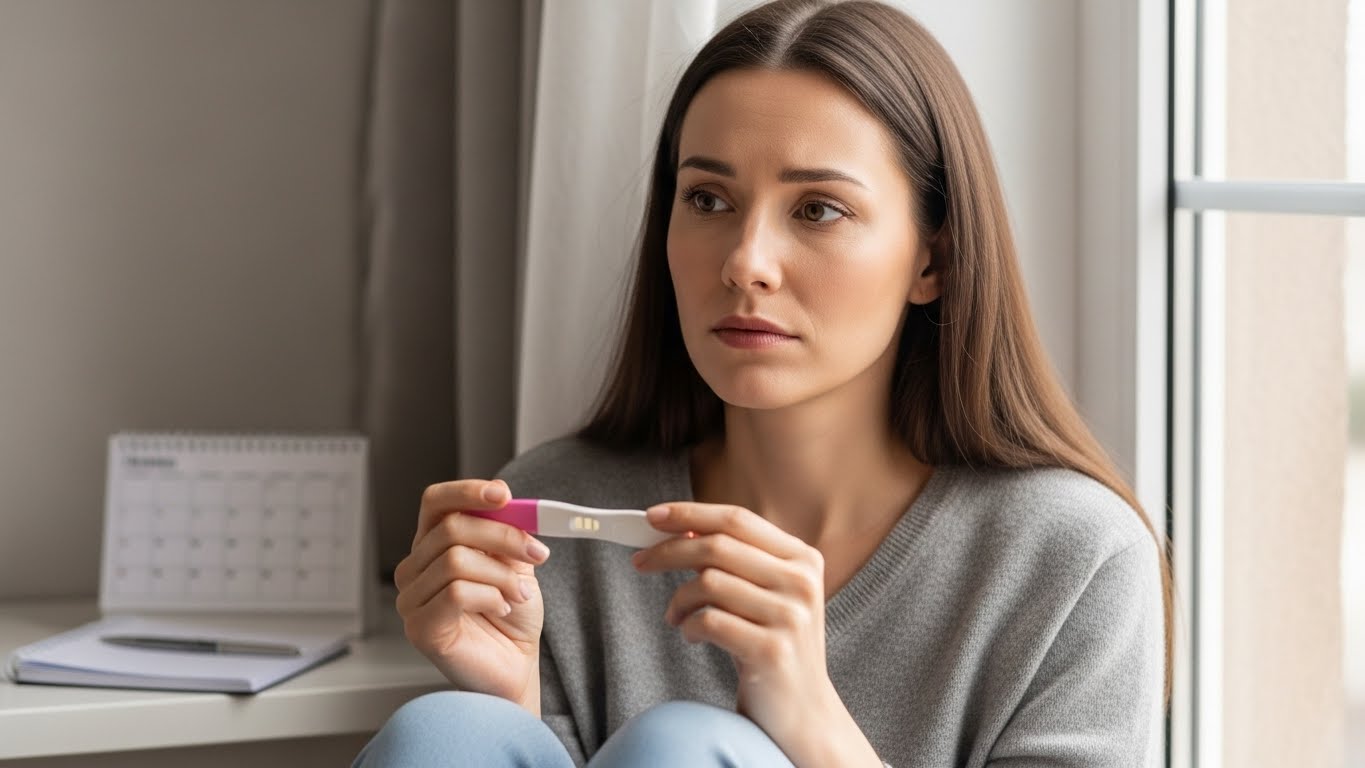


As a practicing gynecologist, the most frequent question I hear in my clinic, often whispered with a mix of hope and anxiety, is: “How soon can I take a pregnancy test?” Whether you are actively trying to conceive or concerned about an unexpected delay, that “two-week wait” can feel like a lifetime.
In my years of helping patients navigate their reproductive health, I’ve learned that timing is everything. Testing too early can lead to unnecessary confusion or a missed result. Today, I want to share the medical reality of how these tests work and exactly when you should reach for that plastic stick for the most reliable answer.
How Soon Can You Take a Pregnancy Test? A Gynecologist’s Timeline
The short answer is that while some tests claim to work very early, you get the most accurate result on the first day of your missed period. For most women with a regular cycle, this is about 14 days after ovulation.
Understanding the Implantation Timeline
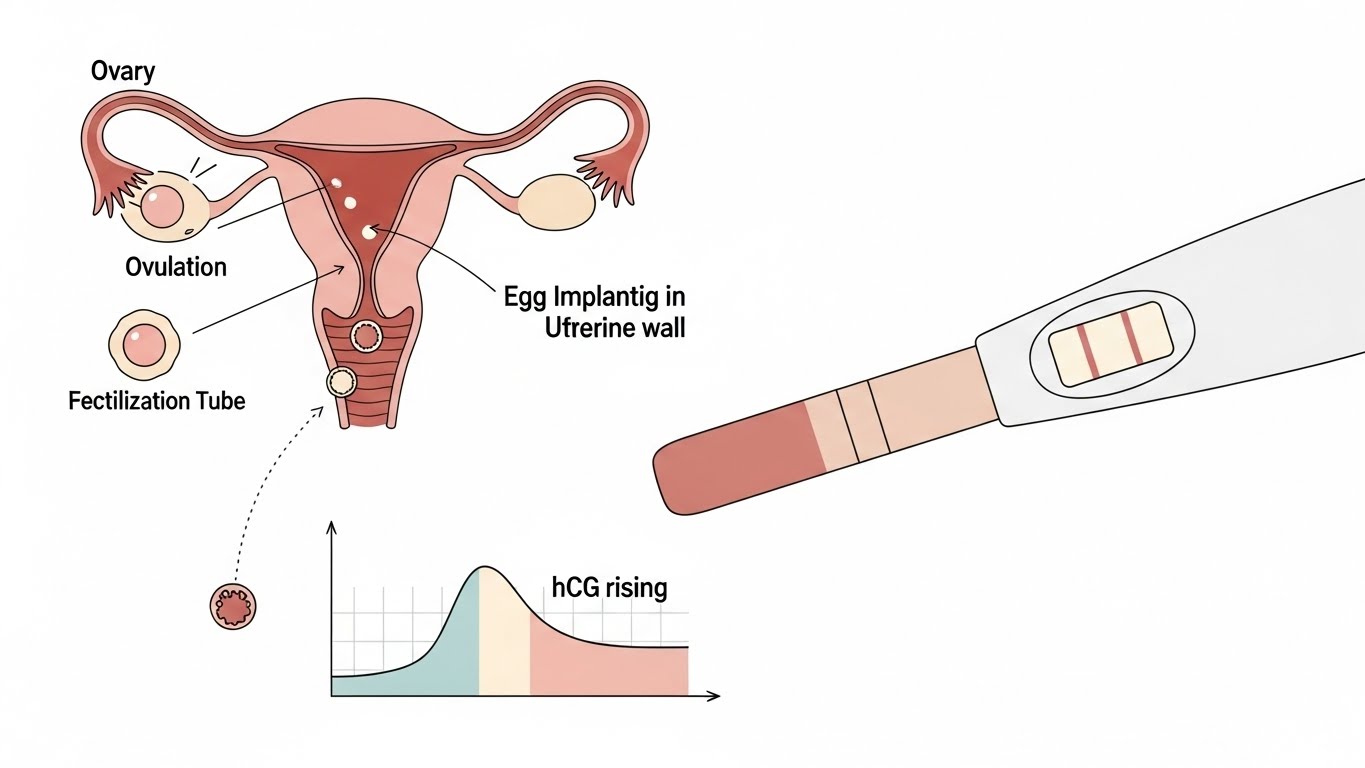
To understand the “when,” we have to look at the “how.” Pregnancy doesn’t happen the moment you have intercourse. After sperm meets the egg, the fertilized egg travels down the fallopian tube toward the uterus. This journey takes about 6 to 12 days.
Pregnancy officially begins at implantation, which is when that tiny bundle of cells attaches to your uterine lining. Only after this attachment does your body start producing Human Chorionic Gonadotropin (hCG)—the hormone that pregnancy tests detect.
Why Testing Too Early Leads to a “False Negative”
If you test just a few days after sex, your body hasn’t even begun to produce hCG. Even if you are pregnant, the test will show a negative because the hormone level is below the detection threshold. This is what we call a false negative.
If you absolutely cannot wait, the earliest possible window for a sensitive “early detection” test is 10 days after ovulation. However, keep in mind that testing this early only catches a fraction of pregnancies because hormone levels vary so much between individuals.
The DPO Accuracy Chart (Days Past Ovulation)
To help you visualize why waiting matters, here is a breakdown of how accurate a home pregnancy test typically is based on when you use it:
Days Past Ovulation (DPO) Estimated Accuracy Rate Recommendation
7-9 Days Under 20% Too early; high risk of false negative.
10-11 Days 40% – 60% Possible, but use a high-sensitivity test.
12-13 Days 75% – 85% Good reliability for most users.
14+ Days (Missed Period) 99% Most accurate time to test.
Biological Markers: How Your Body Signals Pregnancy
In my practice, I explain that your body is like a biological clock. It needs a specific amount of time to build up enough markers for a test to read correctly.
The Role of hCG in Detection
hCG is often called the “pregnancy hormone.” Once implantation occurs, hCG levels rise rapidly, usually doubling every 48 to 72 hours. Most home tests are designed to turn positive when your urine contains at least 20–25 mIU/mL of hCG. If you test the day before your period is due, your levels might only be at 10 mIU/mL—not enough to trigger the test, even though you are pregnant.
Blood Tests vs. Urine Tests: Which is Faster?
If you are under the care of a specialist or have a medical reason to know immediately, a blood test is a faster option.
- Blood Tests: These can detect pregnancy as early as 6–8 days after ovulation. They are more sensitive because they measure the hormone directly in your bloodstream.
- Urine Tests: These require the hormone to pass through your kidneys and into your bladder, which takes longer to reach detectable concentrations.
Recognizing Early Signs Before the Test
Many of my patients come in saying they just feel different. While a test is the only way to be sure, your body often drops clues during that two-week wait.
Common Physical Symptoms in the Two-Week Wait
You might notice tender breasts, mild fatigue, or slight cramping. These are caused by the rise in progesterone, which happens whether you are pregnant or just about to start your period.
Differentiating Between PMS and Early Pregnancy
It can be frustrating because early pregnancy signs mimic PMS almost perfectly. However, some women notice unique digestive changes. For example, some of my patients ask whether diarrhea is a sign of pregnancy or just a stomach bug. While not as common as morning sickness, hormonal shifts can absolutely affect your gut health early on. If you notice this alongside a metallic taste in your mouth or extreme sensitivity to smells, it might be a sign to prepare for a test.
Another common thought once you see a positive result is about the physical changes ahead, specifically when you start showing pregnancy or when you’ll need to buy new clothes. These milestones are exciting, but they all start with that first accurate test.
How to Get the Most Accurate Result at Home
If you’ve decided it’s time to test, don’t just grab any kit and go. Follow these professional tips to ensure you don’t get a confusing result.
Best Time of Day to Use a Home Test
Always use your first morning urine. This is when your urine is most concentrated. If you drink a lot of water or coffee during the day, you dilute the hCG in your system, making it harder for the test to pick up the hormone.
Checking the Sensitivity (mIU/mL) on the Box
Not all tests are the same. Look at the fine print on the packaging. A test with a sensitivity of 10 mIU/mL is much “stronger” at detecting early pregnancy than one with a sensitivity of 50 mIU/mL.
Avoiding the “Evaporation Line” Mistake
This is a common issue I see. Only read the test within the timeframe specified in the instructions (usually 3–5 minutes). If you come back an hour later and see a faint line, that is likely an evaporation line—a shadow left behind as the urine dried—and not a true positive.
Frequently Asked Questions
Biologically, it is nearly impossible to get a positive result this early. Even if fertilization happened quickly, the egg would still be traveling toward the uterus. There is no hCG in your system yet. Wait at least 10–12 days for a chance at a result.
In the medical world, a line is a line. If you see a faint second line within the testing window, it means the test detected hCG. You are likely pregnant. I recommend re-testing in 48 hours to see if the line gets darker as your hormone levels rise.
Not necessarily. It might just mean you ovulated later than you thought, and your hCG levels aren’t high enough yet. If your period still hasn’t arrived after three days, run another test.
Final Thoughts from the Clinic
Waiting to take a pregnancy test is an emotional experience. As a doctor, my best advice is to treat your body with kindness during this window. Avoid the urge to buy tests in bulk and use them several times a day. This usually only increases your stress levels.
Pick a date, ideally the day your period is due, and stick to it. Use a high-quality test, use your morning urine, and remember that no matter the result, you are taking the right steps by staying informed and in tune with your health.