
As a gynecologist who has guided thousands of women through the “two-week wait,” I know exactly how much anxiety and hope can be packed into a single morning. You feel a twinge or see a tiny bit of spotting, and your first instinct is to reach for a pregnancy test. But timing is everything. If you test too early, you risk a false negative that causes unnecessary heartbreak. If you wait too long, the suspense is unbearable.
Here is the medical breakdown of how your body handles implantation and exactly when that translates to a double line on a test.
How Many Days After Implantation?
For most women, the most accurate time to take a home pregnancy test is 2 to 3 days after implantation occurs. While some high-sensitivity tests can pick up trace amounts of hormones within 48 hours, waiting 3 full days gives the pregnancy hormone, hCG, enough time to build up in your urine to a level that a standard test can actually “see.”
The Biology of the “Big Fat Positive” (BFP)
To understand why you have to wait, we have to look at what is happening inside your uterus. Pregnancy doesn’t happen the moment you have sex; it doesn’t even happen the moment the sperm meets the egg. It happens when that fertilized egg finds a home.
What Happens During Implantation?
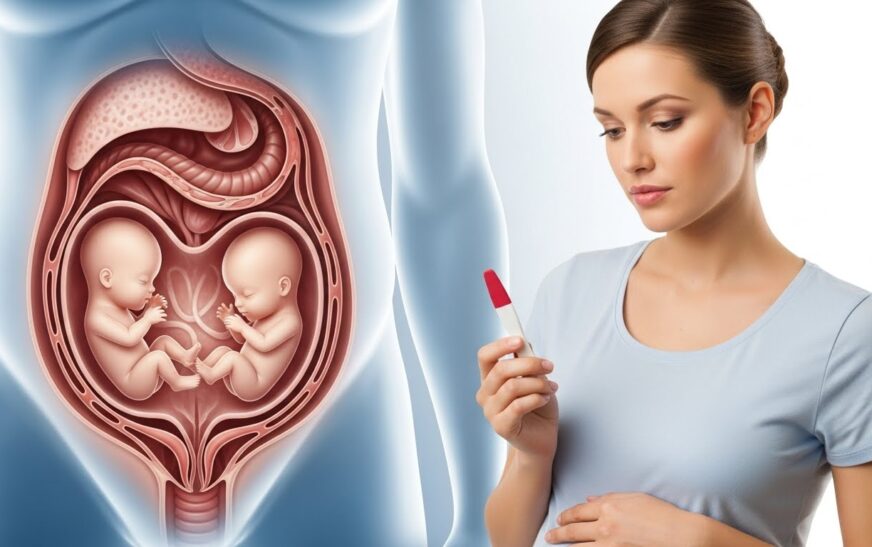
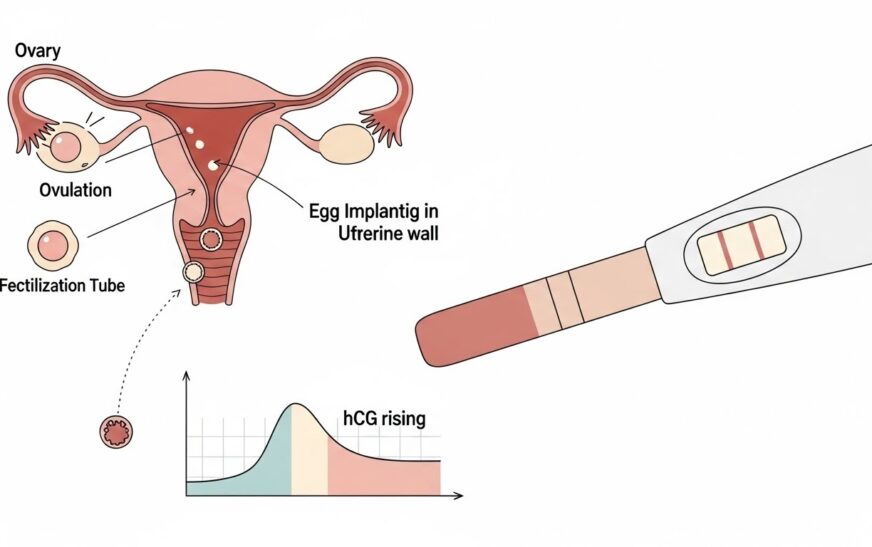
After fertilization, the egg (now a blastocyst) travels down the fallopian tube. It takes about 6 to 12 days after ovulation to reach the uterus and burrow into the lining. This “burrowing” is implantation. This is the physical connection between you and the potential pregnancy.
How the Trophoblast Starts hCG Production
The moment the blastocyst attaches to your uterine wall, cells called trophoblasts begin to form. These cells eventually become the placenta. Their very first job is to signal your body to stop your period and start supporting a pregnancy. They do this by producing Human Chorionic Gonadotropin, or hCG.
Why hCG Levels Must Double Before Detection
When implantation first happens, your hCG level is effectively zero. Once the connection is made, hCG begins to rise rapidly, usually doubling every 48 to 72 hours. Most home tests require a concentration of at least 10 to 25 mIU/mL to show a positive result. It simply takes a few days for your body to “ramp up” production from zero to a detectable amount.
Blood Test vs. Urine Test: Which is Faster?
If you are working with a fertility clinic or have a medical reason to know early, you might consider different types of tests.
Quantitative Blood Tests (The 3-Day Window)
A blood test is the most sensitive method we have. It can detect hCG within 2 to 3 days of implantation because the hormone hits your bloodstream before it ever reaches your urine. These tests give a specific number (e.g., 5 mIU/mL), which is why they are so accurate.
Early-Result Urine Tests (The 48-72 Hour Wait)
The “early result” tests you buy at the pharmacy are designed to pick up lower levels of hCG. While they are great, they still rely on the hormone passing through your kidneys. I usually tell my patients that even with these tests, a negative result 24 hours after suspected implantation doesn’t mean you aren’t pregnant, it just means the “signal” isn’t loud enough yet.
Signs Your Body Has Successfully Implanted
Many women experience “implantation cramping” or a small amount of spotting. This happens as the egg disrupts tiny blood vessels in the uterine lining.If you notice light pink or brown discharge, you might wonder is bleeding normal during pregnancy or if it is just your period starting. In my experience, implantation bleeding is very light and doesn’t last more than a day or two. If it’s heavy, it’s likely your cycle, but light spotting is often the first “green light” that it’s time to get a test ready for a few days later.
Factors That Affect Your Test Accuracy
Not all tests are created equal, and not every woman’s body works on the same clock.
Test Sensitivity (Understanding mIU/mL)
Check the box of your test. Some tests are sensitive to 10 mIU/mL (very early), while others require 50 mIU/mL (meant for after a missed period). If you are testing just 2 days after implantation, you absolutely need a high-sensitivity test.
Diluted Urine and “Hook Effect” Myths
If you drink a gallon of water and then test, your urine will be diluted. This washes out the hCG, making it harder for the test to find. Conversely, some people worry about the “hook effect” (where hCG is so high it breaks the test), but that usually only happens much later in pregnancy, not during the implantation phase.
Why Testing Too Early Leads to False Negatives
The most common mistake I see in my clinic is testing the same day as implantation spotting. Because the hormone hasn’t doubled yet, the test stays blank. This leads to “testing fatigue” and unnecessary stress. Give your body the 72-hour window it needs to prove the pregnancy is there.
When Will Your Pregnancy Begin to Show?
Once you get that positive result, your mind naturally jumps to the next milestone. You will soon start to notice physical changes and wonder when do you start showing in pregnancy, which usually happens much later than the positive test. For most first-time moms, that “bump” won’t appear until the second trimester, but the hormonal changes start the second that test turns pink.
Tips for the Most Accurate Result
To get the most out of your test and avoid the “is that a line or a shadow?” headache, follow these clinical tips:
Use First Morning Urine
This is the “golden rule.” Your urine is most concentrated when you first wake up because you haven’t been drinking water all night. This gives the test the best chance of catching those early hCG molecules.
Check the Expiration Date and Storage
Believe it or not, pregnancy tests can expire. The antibodies on the strip that react to hCG degrade over time. Also, don’t keep your tests in a hot, humid bathroom cabinet for months; a cool, dry place is best for accuracy.
Wait for the Missed Period (The Gold Standard)
If you want to be 99% sure, wait until the day of your expected period. By this point, implantation has usually been finished for a week, and hCG levels are high enough that even the cheapest “dollar store” test will give you a clear answer.
Frequently Asked Questions
Yes, but use an “Early Result” test. If it’s negative, don’t give up hope yet, test again in 48 hours.
Cramping happens the moment the egg attaches, but the hormone takes time to rise. If you feel cramps today, wait 3 days to test.
Rarely. Usually, the bleeding happens as the “connection” is made. The positive test follows a few days later once the hormone levels catch up.