Early Pregnancy Discharge: What Is Normal?
Learn which early-pregnancy discharge changes may be normal, how infections can look, and when color, odor, pain, or bleeding needs medical care.
Week 1 to 13: Navigating early symptoms, safe foods, and crucial milestones.
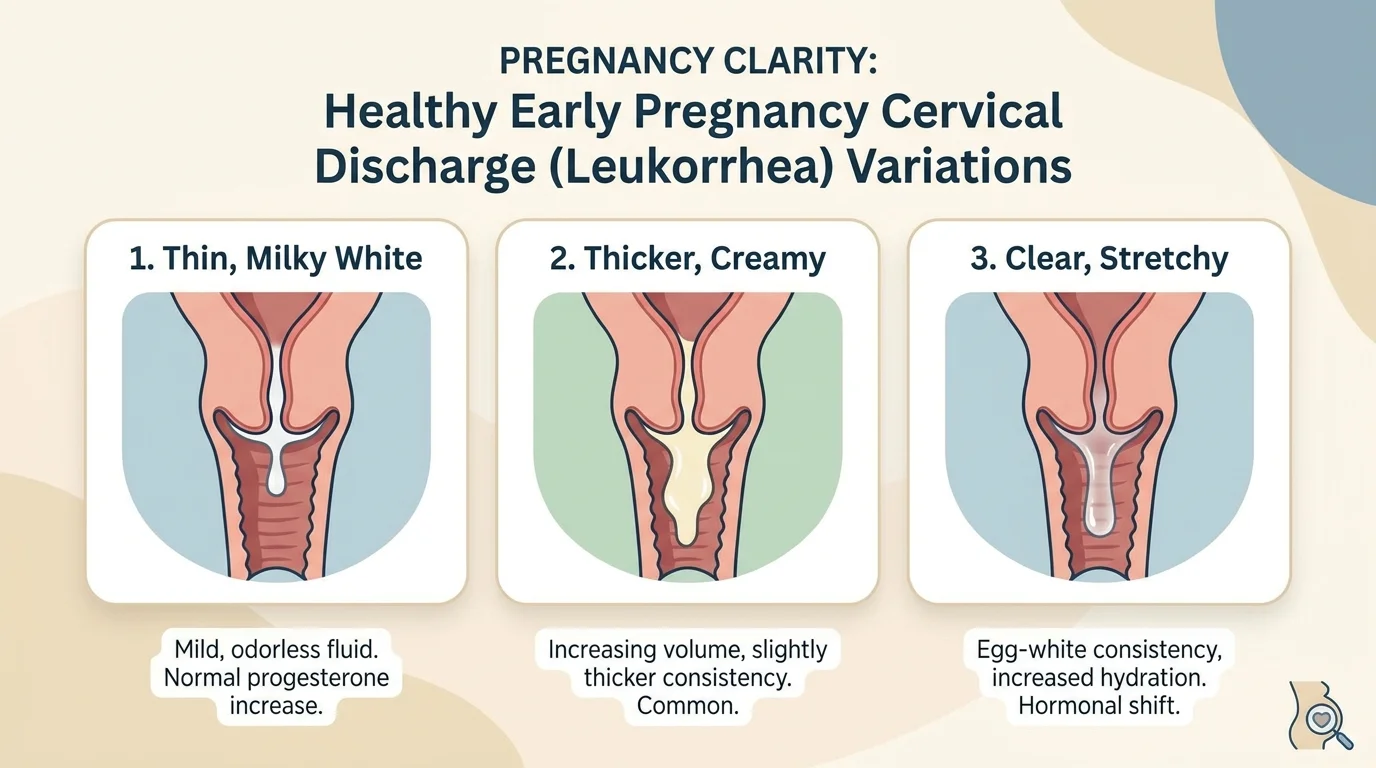
Learn which early-pregnancy discharge changes may be normal, how infections can look, and when color, odor, pain, or bleeding needs medical care.

Learn what a chemical pregnancy is, why tests can change from positive to negative, what bleeding may look like, and when to seek urgent care.
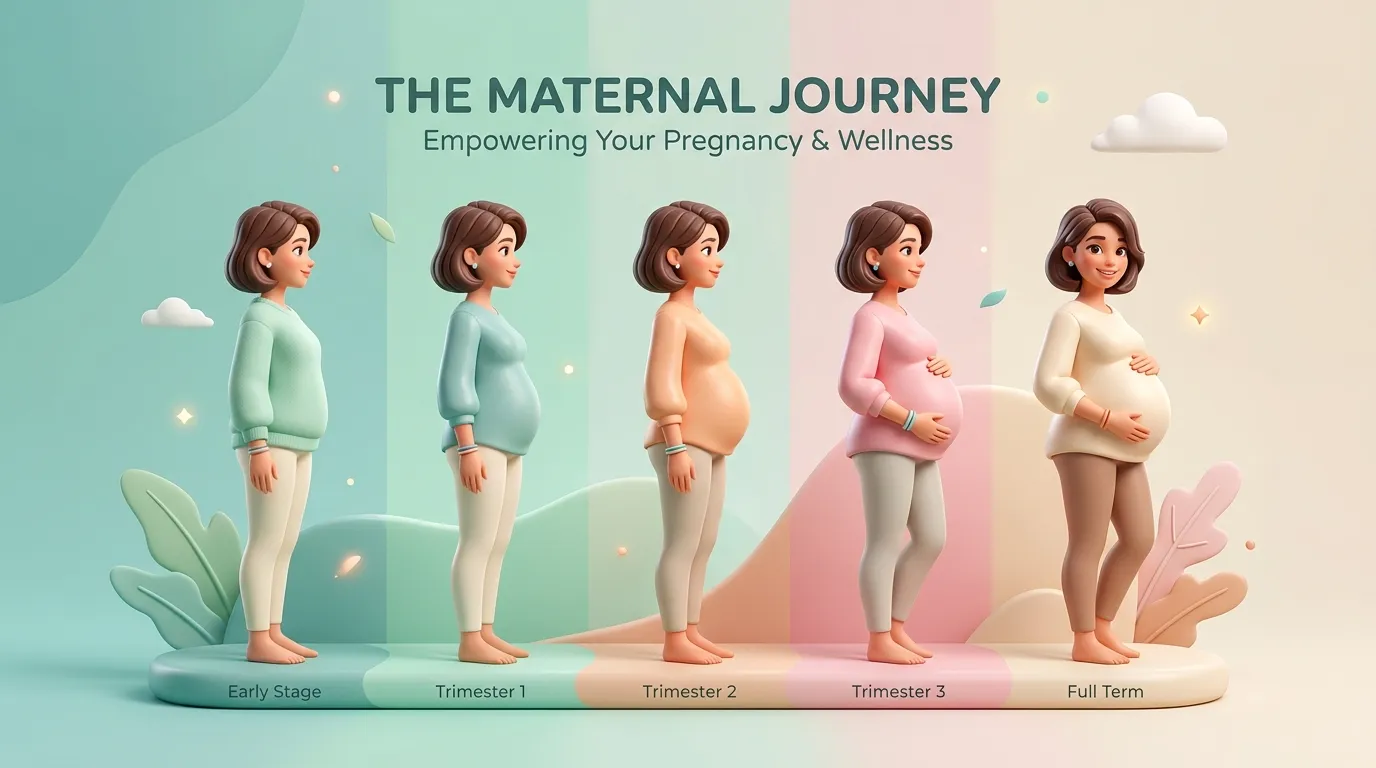
Many pregnancy bumps become noticeable in the second trimester. Learn why timing varies with bloating, body shape, previous pregnancies, and twins.

Mild early-pregnancy cramps can be common. Learn how uterine change, gas, cysts, miscarriage, ectopic pregnancy, and urinary problems differ.

Learn early ectopic pregnancy symptoms, rupture warning signs, risk factors, hCG and ultrasound diagnosis, treatment options, and follow-up.

Learn when pregnancy nausea starts, food and fluid strategies, medicine options, dehydration signs, and how morning sickness differs from hyperemesis.

Cryptic pregnancy is an informal term for late recognition. Learn why tests can be mistimed, why bleeding is not a period, and how pregnancy is confirmed.

Learn how complete and partial molar pregnancies differ, how ultrasound and pathology diagnose them, and why treatment and hCG monitoring matter.

At 4 weeks pregnant, learn what is developing, which symptoms are common, what pregnancy tests and ultrasound may show, and which warning signs need care.

At 5 weeks pregnant, learn what is developing, which symptoms are common, what pregnancy tests and ultrasound may show, and which warning signs need care.

At 6 weeks pregnant, learn what is developing, which symptoms are common, what pregnancy tests and ultrasound may show, and which warning signs need care.
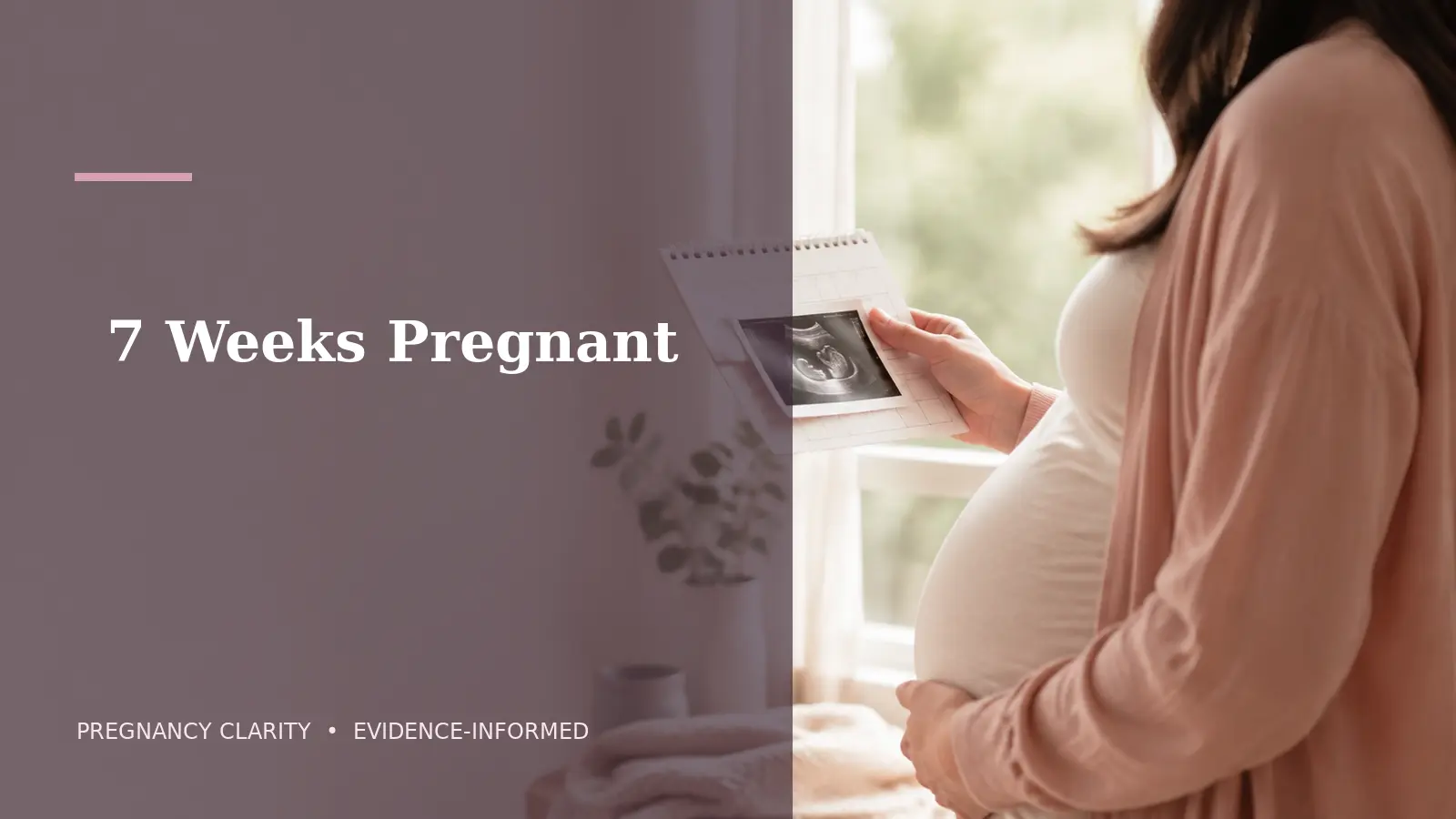
At 7 weeks pregnant, learn what is developing, which symptoms are common, what pregnancy tests and ultrasound may show, and which warning signs need care.
At 8 weeks pregnant, learn what is developing, which symptoms are common, what pregnancy tests and ultrasound may show, and which warning signs need care.
At 9 weeks pregnant, learn what is developing, which symptoms are common, what pregnancy tests and ultrasound may show, and which warning signs need care.
At 10 weeks pregnant, learn what is developing, which symptoms are common, what pregnancy tests and ultrasound may show, and which warning signs need care.
At 11 weeks pregnant, learn what is developing, which symptoms are common, what pregnancy tests and ultrasound may show, and which warning signs need care.
At 12 weeks pregnant, learn what is developing, which symptoms are common, what pregnancy tests and ultrasound may show, and which warning signs need care.
At 13 weeks pregnant, learn what is developing, which symptoms are common, what pregnancy tests and ultrasound may show, and which warning signs need care.

A practical guide to prenatal care, folic acid, balanced food, food safety, exercise, medicines, vaccines, mental health, and urgent warning signs.
Learn how due dates use the last menstrual period, cycle length, first-trimester ultrasound, IVF transfer dates, and why the estimate can change.
Follow pregnancy week by week from the last period through birth, with fetal development, symptoms, prenatal tests, movement, and warning signs.

The second trimester usually starts at 14 weeks 0 days. Learn why sources differ, what develops through week 27, and which tests and warning signs matter.