
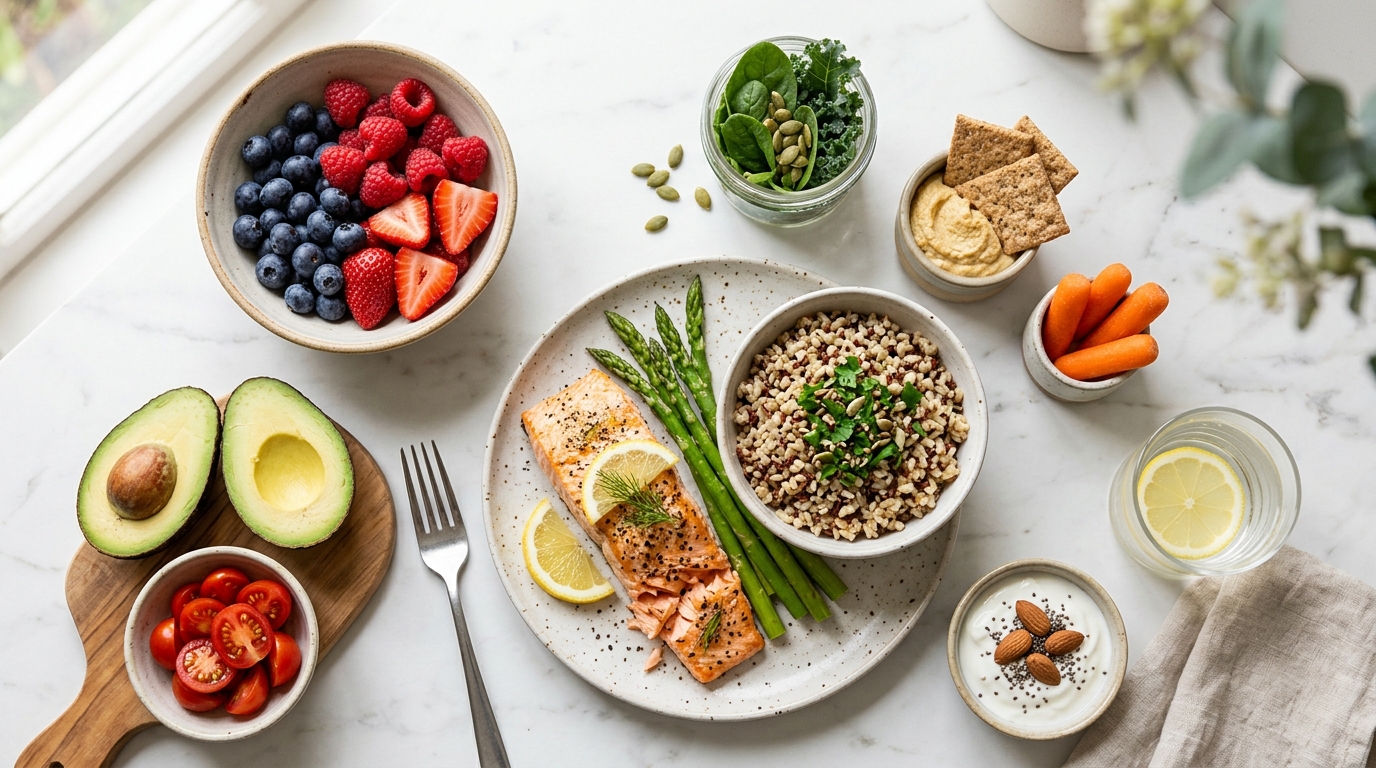
From the moment you receive a positive pregnancy test, dietary advice begins pouring in from every direction. Well-meaning relatives, outdated internet checklists, and confusing social media trends often present pregnant women with an overwhelming list of forbidden foods. The resulting dietary anxiety can lead expectant mothers to either restrict their eating unnecessarily—missing out on vital micronutrients like choline, DHA, and iron—or feel paralyzing guilt over everyday meals.
Obstetric dietary guidelines from the American College of Obstetricians and Gynecologists (ACOG), the Centers for Disease Control and Prevention (CDC), the U.S. Food and Drug Administration (FDA), and the National Health Service (NHS) are based on rigorous toxicological and microbiological data. By understanding **the exact reason why each food item is restricted**, you can navigate your prenatal diet with calm confidence and scientific precision.
The 4 Primary Biological Threats in Prenatal Food Safety
Every single food restriction during pregnancy connects directly to one of four specific pathogens or heavy metals:
- Listeria monocytogenes: A resilient bacterium capable of multiplying inside refrigerators (34°F–40°F / 1°C–4°C). While causing only mild flu-like illness in mothers, it possesses surface internalin proteins that bind directly to placental trophoblast receptors, causing chorioamnionitis, septicemia, spontaneous miscarriage, or stillbirth.
- Toxoplasma gondii: An intracellular protozoan parasite found in raw/undercooked meats (especially pork, lamb, and venison) and feline feces. Maternal infection during pregnancy can cause congenital toxoplasmosis, leading to fetal intracranial calcifications, microcephaly, and permanent visual impairment.
- Salmonella enterica & Campylobacter: Bacteria found in raw poultry, raw eggs, unpasteurized dairy, and contaminated raw sprouts. While they rarely cross the placenta directly, they trigger severe maternal gastroenteritis, intractable vomiting, hyperthermia, and acute dehydration, which can precipitate uterine contractions and preterm labor.
- Organic Methylmercury: An ocean industrial pollutant that concentrates in large, apex predatory pelagic fish. Methylmercury crosses the placenta freely via amino acid transporters, accumulating in fetal neural tissue and impairing central nervous system maturation.
The Master Reference Encyclopedia: Foods to Avoid & Safe Swaps
Below is the comprehensive clinical classification of high-risk foods across all major culinary categories, complete with pathogen profiles and safe alternatives:
| Food Category | Foods to Avoid Strictly | Primary Biological Hazard | Safe Prenatal Swaps |
|---|---|---|---|
| Deli Meats & Cold Cuts | Cold sliced turkey, ham, roast beef, bologna, cold hot dogs straight from the package. | Listeria monocytogenes (post-processing slicer contamination) | Heat deli meat until steaming hot (165°F / 74°C); freshly roasted chicken breast; hot toasted paninis. See our deli meat heating guide. |
| Cured & Fermented Meats | Raw prosciutto, serrano ham, cold pepperoni, artisanal salami, room-temp charcuterie boards. | Toxoplasma gondii & Listeria | Oven-baked pepperoni on pizza (165°F); thoroughly cooked crispy bacon; baked ham. Check our pepperoni guide and bacon guide. |
| Beef, Pork & Poultry | Rare steak, medium-rare steak, pink hamburger patties, steak tartare, undercooked chicken. | Toxoplasma gondii, Shiga-toxin E. coli, Salmonella | Steak cooked to Medium (145°F + 3-min rest); burgers cooked to 160°F; poultry cooked to 165°F. Explore our steak doneness guide. |
| Seafood & Shellfish (Raw) | Raw sushi, sashimi, raw oysters, raw clams, ceviche, poke bowls with raw tuna/salmon. | Vibrio vulnificus, norovirus, parasitic nematodes (Anisakis) | Cooked sushi rolls (California roll, tempura roll, cooked salmon roll); steamed crab legs; grilled shrimp. Check our crab guide. |
| High-Mercury Apex Fish | Swordfish, Shark, King Mackerel, Bigeye Tuna, Tilefish (Gulf of Mexico), Marlin, Orange Roughy. | Organic Methylmercury neurotoxicity | Canned light tuna (skipjack, up to 12 oz/wk), wild Alaskan salmon, sardines, rainbow trout, Atlantic pollock. Review our tuna mercury guide. |
| Refrigerated Smoked Seafood | Cold-smoked salmon (lox, gravlax, nova), smoked whitefish, smoked trout in open deli display. | Listeria monocytogenes (cold-smoke process does not reach lethal heat) | Canned salmon; shelf-stable pouches of smoked tuna; hot-smoked salmon baked into casseroles to 165°F. |
| Unpasteurized Cheeses | Raw milk cheeses, mold-ripened soft cheeses (unpasteurized Brie, Camembert, Roquefort), Mexican Queso Fresco/Cotija made with raw milk. | Listeria monocytogenes (leading cause of U.S. dairy recalls) | Commercial pasteurized cream cheese, pasteurized Cheddar, Swiss, mozzarella, pasteurized feta. Check our safe cheese guide and cream cheese guide. |
| Raw & Runny Eggs | Eggs Benedict with runny poached eggs, soft-boiled eggs, homemade Caesar dressing, raw cookie dough, homemade eggnog. | Salmonella enteritidis (transovarian egg infection) | Hard-boiled eggs, thoroughly scrambled eggs, commercial jarred mayonnaises (Hellmann's, Kraft are 100% pasteurized), pasteurized liquid eggs. |
| Raw Sprouts | Raw alfalfa sprouts, clover sprouts, mung bean sprouts, radish sprouts. | Salmonella & Shiga-toxin E. coli (seeds internalize bacteria in warm sprouting tanks) | Cooked bean sprouts in stir-fries (heated to 165°F); shredded crisp cabbage, romaine lettuce, or cucumbers for sandwich crunch. |
| Unpasteurized Juices & Cider | Freshly squeezed raw apple cider at orchards, unpasteurized green juices from juice bars. | Cryptosporidium, E. coli O157:H7 | Commercially bottled shelf-stable pasteurized juices (100% juice with no added sugar); freshly washed whole fruits. |
| Organ Meats & Liver Products | Beef liver, chicken liver pâté, cod liver oil in high doses. | Preformed Vitamin A (Retinol) hypervitaminosis; teratogenic neural crest defects | Lean muscle meats for iron; plant-based beta-carotene (carrots, sweet potatoes) which is safe and non-toxic. See our iron guide. |
| Alcohol | Beer, wine, liquor, cocktails (any amount during any trimester). | Fetal Alcohol Spectrum Disorders (FASD), microcephaly, structural facial anomalies | Sparkling water infused with fresh citrus and muddled berries; dealcoholized wines with 0.0% ABV; botanical mocktails. |
Deep-Dive: The High-Risk Categories That Surprise Expectant Mothers
1. Raw Sprouts: The Deceptive Superfood
Expectant mothers seeking healthy greens often add alfalfa or clover sprouts to wraps and salads. However, **the FDA classifies raw sprouts as one of the most hazardous produce items**. Sprout seeds require warm, humid, tropical conditions to germinate—the exact environmental sweet spot where Salmonella and E. coli multiply exponentially. Because bacteria become internalized within the cellular structure of the sprouting seed, surface washing is ineffective. Always cook sprouts thoroughly until steaming hot, or replace them with crisp, washed romaine lettuce.
2. Pre-Packaged Deli Salads & Buffet Bars
Store-bought potato salad, chicken salad, seafood salad, and tuna salad sitting in open display cases at supermarket deli counters represent a significant Listeria cross-contamination threat. Deli employees handle multiple raw and cooked items with shared gloves and utensils, and open containers sit in display cases for days. Always prepare cold salads fresh at home using clean utensils, pasteurized mayonnaise, and chilled ingredients.
3. Mexican-Style Soft Cheeses (Queso Fresco & Cotija)
While European soft cheeses receive the most media attention, **unpasteurized Mexican-style soft cheeses (Queso Fresco, Queso Blanco, Cotija, and Panela) account for the overwhelming majority of real-world listeriosis outbreaks in North America**. Traditional Hispanic cheeses produced with raw, unpasteurized milk from local dairy operations have repeatedly triggered multi-state CDC outbreaks resulting in fetal death. Only purchase commercial brands that explicitly bear the phrase: "Made from 100% Pasteurized Milk".
Deep-Dive: Processed Meats, Charcuterie & Steaks
Expectant mothers often ask about specific meats. Because processed and cured meats represent a primary vector for Listeria monocytogenes and Toxoplasma gondii, here are the clinical protocols for every popular meat:
🥪 Can You Eat Deli Meat & Cold Cuts While Pregnant?
Clinical Verdict: 🟡 Safe ONLY if heated until steaming hot (165°F / 74°C).
Cold sliced turkey, ham, roast beef, bologna, and pastrami are among the highest-risk foods during pregnancy. Even though commercial deli meats are pre-cooked at industrial processing facilities, supermarket deli slicers, knife blades, and display cases frequently harbor Listeria monocytogenes biofilms. Because Listeria multiplies at refrigerator temperatures (34°F–40°F), cold cuts eaten straight from the deli paper pose an unacceptable fetal hazard.
How to Make It Safe: Reheat deli meat in a microwave, skillet, or oven until it is visibly steaming hot throughout (reaching at least 165°F / 74°C). Once thermal lethality is achieved, you can enjoy hot toasted subs, paninis, and melted sandwiches with complete confidence.
🍕 Can You Eat Pepperoni & Salami While Pregnant?
Clinical Verdict: 🟢 100% Safe on hot baked pizza (165°F); 🔴 Strictly avoid cold from charcuterie boards.
Pepperoni and dry salami are fermented cured meats made from minced pork and beef. While the combination of curing salts (sodium nitrite), lactic acid fermentation, and dehydration prevents spoilage bacteria, dry curing does NOT reliably eliminate Toxoplasma gondii tissue cysts or post-curing Listeria contamination.
The Pizza Rule: When pepperoni is baked onto a pizza or calzone in a 400°F–500°F oven, the internal temperature of the meat slices easily surpasses 165°F (74°C), neutralizing all parasitic and bacterial threats. However, cold pepperoni slices from lunch packs, antipasto platters, or unheated sandwiches should be strictly avoided.
🌭 Can You Eat Hot Dogs & Frankfurters While Pregnant?
Clinical Verdict: 🟡 Safe ONLY when cooked until steaming hot (165°F / 74°C).
Hot dogs and frankfurters are fully cooked before packaging. However, the FDA notes that the packing liquid inside vacuum-sealed bags can harbor Listeria bacteria introduced between cooking and packaging. Eating hot dogs straight from the package without thorough reheating is a documented cause of pregnancy-associated listeriosis.
Safety Protocol: Always boil in boiling water for at least 3 to 5 minutes, grill until internal meat is sizzling, or microwave until steam escapes from the ends. Discard any hot dogs left at room temperature for more than 2 hours.
🥓 Can You Eat Bacon While Pregnant?
Clinical Verdict: 🟢 Safe when cooked until crispy and well-done; 🔴 Avoid undercooked or limp bacon.
Raw bacon carries risks of Toxoplasma gondii and Salmonella. Fortunately, standard bacon is sliced very thin, meaning that pan-frying, baking, or air-frying until crisp exposes the meat to surface temperatures well exceeding 200°F (93°C)—far above the thermal kill point for all common foodborne pathogens.
Clinical Guidance: Always cook bacon until brittle and crispy with no soft, translucent pink fat remaining. Drain on paper towels before eating. Due to high sodium and nitrate content, enjoy bacon as an occasional breakfast treat rather than a daily staple.
🥩 Can You Eat Slim Jims & Dried Meat Sticks While Pregnant?
Clinical Verdict: 🟡 Low microbiological risk, but caution advised due to high sodium and nitrites.
Commercial meat snack sticks like Slim Jims are classified by the USDA as shelf-stable fermented meat products. They undergo rigorous thermal processing, curing with sodium nitrite, and drying to lower water activity (Aw < 0.85), which prevents bacterial multiplication. The risk of Listeria or Toxoplasma from unopened, factory-sealed commercial meat sticks is extremely low.
Nutritional Considerations: A single serving of meat sticks contains substantial sodium (which can worsen pregnancy fluid retention and hypertension) as well as sodium nitrite preservatives. If you have intense cravings for meat sticks, they are biologically safe in moderation, but whole cooked protein sources (chicken, eggs, beef) are far superior prenatal choices.
🥩 Can You Eat Steak While Pregnant? (Doneness & Temperatures)
Clinical Verdict: 🟡 Safe at Medium (145°F / 63°C + 3-min rest) or Well-Done (160°F); 🔴 Strictly avoid Rare or Medium-Rare.
Beef is an exceptional source of heme iron, zinc, and bioavailable protein during pregnancy. However, undercooked beef is a primary source of Toxoplasma gondii and pathogenic E. coli. Because bacteria on whole cuts of beef (steaks, roasts) reside primarily on the exterior surface, clinical guidelines differ between whole steaks and ground beef:
- Whole Steaks: Must reach a minimum internal temperature of 145°F (63°C) verified by a digital meat thermometer at the thickest part, followed by a mandatory 3-minute rest. During resting, residual thermal conduction eliminates any surviving microorganisms while preserving tenderness.
- Ground Beef & Burgers: Must ALWAYS be cooked to 160°F (71°C) (Well-Done). In ground beef, surface pathogens are redistributed throughout the interior during grinding. Pink hamburger patties must never be consumed during pregnancy.
🍣 Can You Eat Sushi While Pregnant? (Safe vs. Dangerous Rolls)
Clinical Verdict: 🔴 Strictly avoid raw fish sushi and sashimi; 🟢 100% Safe to enjoy fully cooked rolls and vegetarian sushi.
The primary concern with conventional raw sushi (such as nigiri or maki made with raw ahi tuna, raw salmon, yellowtail, or sea urchin) is twofold: parasitic nematode larvae (such as Anisakis simplex) and virulent bacteria including Salmonella, Listeria monocytogenes, and Vibrio vulnificus. Pregnancy induces physiological immune modulation to tolerate the semi-allogeneic fetus, rendering expectant mothers up to 10 to 20 times more susceptible to invasive foodborne pathogens.
Safe Sushi Options: You do not need to give up Japanese cuisine during pregnancy. You can safely order:
- California Rolls: Made with fully cooked, pasteurized imitation crab (surimi), cucumber, and avocado.
- Shrimp Tempura Rolls: Fried until steaming hot throughout, killing all microorganisms.
- Cooked Eel Rolls (Unagi / Anago): Always broiled or grilled and served warm with sweet soy glaze.
- Vegetable Rolls: Avocado rolls, cucumber maki, sweet potato tempura rolls, and pickled radish rolls.
- Tamago Sushi: Japanese layered sweet egg omelet (ensure fully cooked through).
Restaurant Safety Tip: When ordering at a Japanese restaurant, explicitly inform the server that you are pregnant and request that the sushi chef prepare your cooked rolls using a clean cutting board and fresh knife to prevent raw fish juices from contaminating your meal.
🐟 Can You Eat Salmon While Pregnant? (Prenatal Superfood Guide)
Clinical Verdict: 🟢 Strongly recommended by ACOG & FDA (2 to 3 servings / 8–12 oz per week) when cooked to 145°F (63°C); 🔴 Avoid raw salmon and cold-smoked lox.
Cooked salmon is widely recognized by maternal health clinicians as one of the single most beneficial foods you can eat during pregnancy. It is classified in the FDA's top-tier "Best Choices" category due to its extraordinarily low mercury profile (mean mercury concentration of only 0.022 ppm) and rich concentration of essential marine nutrients:
- Docosahexaenoic Acid (DHA) & EPA: Marine omega-3 fatty acids essential for embryonic and fetal neural development, cerebral cortex expansion, and retinal photoreceptor maturation. Maternal dietary intake directly correlates with infant cognitive scores and visual acuity.
- High Biological Value Protein: Supplies critical amino acids for placental vascularization and uterine expansion.
- Vitamin D & Iodine: Crucial for maternal calcium absorption, fetal skeletal mineralization, and fetal thyroid hormone synthesis.
Safe Preparation: Bake, grill, pan-sear, or poach fresh or frozen salmon fillets until the internal temperature reaches 145°F (63°C) verified by a digital meat thermometer. The flesh should transform from translucent pink to opaque coral and flake effortlessly with a fork.
Cold-Smoked Salmon (Lox / Nova) Warning: Cold-smoked salmon is cured and smoked at temperatures below 90°F (32°C), which enhances flavor but does NOT kill Listeria monocytogenes. Only consume smoked salmon if it is shelf-stable canned, or cooked into a hot baked dish (such as a steaming casserole or quiche) heated above 165°F.
🦐 Can You Eat Shrimp While Pregnant?
Clinical Verdict: 🟢 100% Safe and highly nutritious when cooked to 145°F (63°C); 🔴 Avoid raw shrimp ceviche.
Shrimp is one of the most widely consumed seafoods in the world and is exceptionally safe during pregnancy. With a negligible mercury concentration of less than 0.009 ppm, shrimp is firmly in the FDA's "Best Choices" category. Expectant mothers can safely enjoy 2 to 3 servings (8 to 12 ounces total) per week.
Nutritional Value: Shrimp delivers approximately 20 grams of lean protein per 3-ounce serving while remaining very low in saturated fat. It provides high levels of choline (which works synergistically with folic acid to prevent neural tube defects), selenium, zinc, and iodine.
Cooking Requirements: Cook shrimp until the shells turn bright pink or red and the internal flesh turns completely pearlescent white and firm. Avoid cold shrimp cocktail platters that have sat unrefrigerated at buffet tables for more than an hour.
🦀 Can You Eat Crab & Imitation Crab While Pregnant?
Clinical Verdict: 🟢 100% Safe when fully cooked or pasteurized; 🔴 Strictly avoid raw crab or unpasteurized claw meat.
All varieties of commercially harvested crab—including King Crab, Snow Crab, Dungeness Crab, and Blue Crab—are safe and beneficial for expectant mothers when properly prepared. Fresh crab meat must be steamed, boiled, baked, or grilled to an internal temperature of 145°F (63°C).
What About Imitation Crab (Kani / Surimi)? Many women worry about imitation crab used in sushi rolls and seafood salads. Imitation crab is made from deboned, minced white fish (predominantly wild Alaska Pollock) that is thoroughly cooked, pasteurized, and shaped. Commercial imitation crab is 100% cooked and safe to eat straight from the grocery pack or in sushi rolls.
Cautions to Keep in Mind: Avoid raw blue crab dishes (such as marinated raw crab common in certain East Asian cuisines) due to Vibrio risk. When purchasing canned or plastic-tub crab meat, look for labels confirming commercial pasteurization.
🐟 Can You Eat Tuna While Pregnant? (Canned Light vs. Albacore vs. Ahi)
Clinical Verdict: 🟢 Canned Light Tuna is safe up to 12 oz/week; 🟡 Albacore / White Tuna limited to 6 oz/week; 🔴 Strictly avoid Bigeye and Ahi Tuna.
Tuna is a nutritious fish providing high-quality protein, selenium, vitamin B12, and omega-3 fatty acids. However, because tuna are predatory apex fish higher in the marine food chain, they accumulate varying levels of environmental methylmercury. Methylmercury easily crosses both the blood-brain barrier and the placental barrier, where excessive fetal exposure can impair developing neuromuscular systems and cognitive development.
To maximize omega-3 benefits while completely safeguarding fetal health, follow the joint FDA / EPA species guideline:
- Canned Light Tuna (Skipjack): Best Choice. Contains significantly lower mercury (mean 0.126 ppm) because Skipjack are smaller, younger fish. Safe to consume 2 to 3 servings (8 to 12 ounces) per week.
- Albacore / "White" Tuna & Yellowfin: Good Choice. Albacore are larger fish with roughly three times the mercury content of light tuna (0.350 ppm). Limit intake to no more than 1 serving (up to 6 ounces) per week, and consume no other fish during that week.
- Bigeye Tuna & Bluefin Ahi Steaks: Avoid Category. Extremely high mercury levels (>0.689 ppm). Must be strictly avoided throughout pregnancy and breastfeeding.
🧀 Can You Eat Cream Cheese While Pregnant?
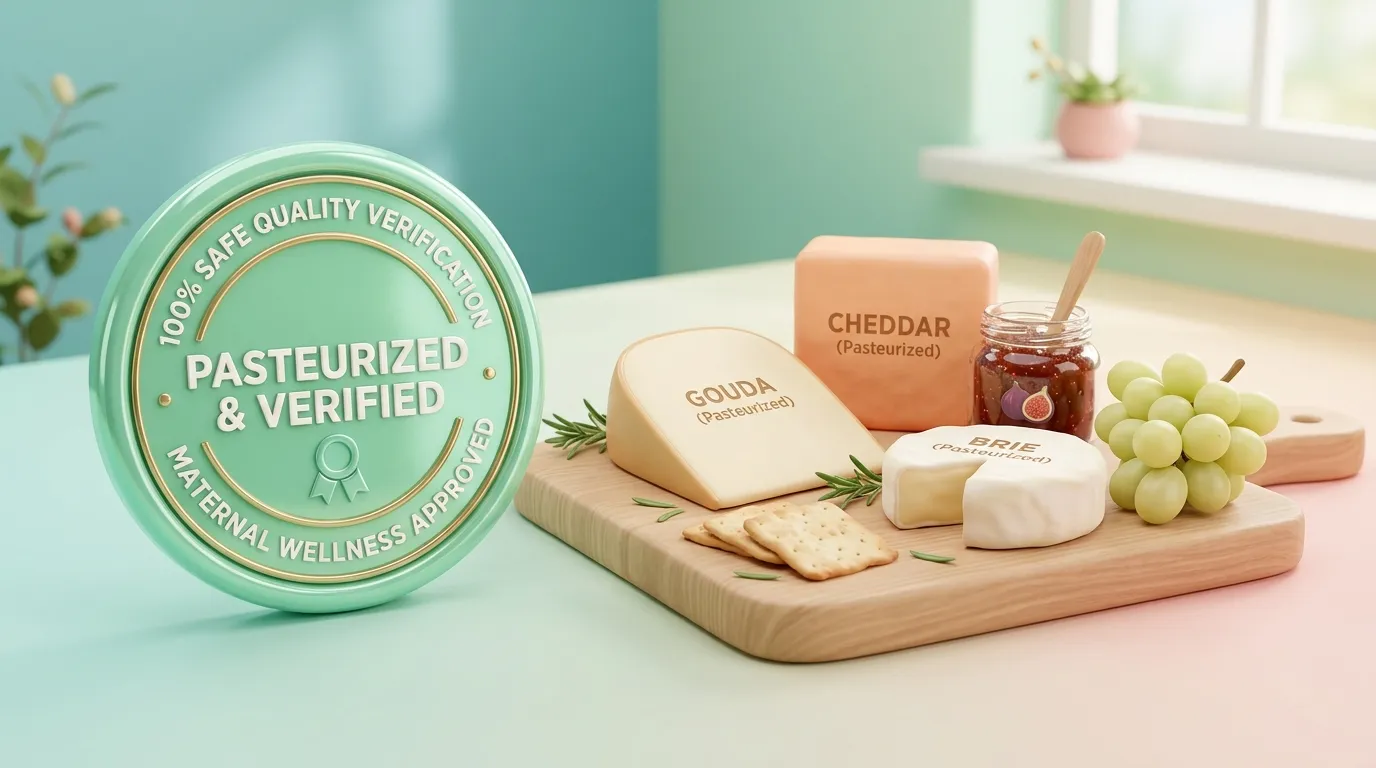
Clinical Verdict: 🟢 100% Safe when purchased commercially from supermarkets; Made from pasteurized milk.
One of the most frequent dietary anxieties among expectant mothers is whether cream cheese is safe on bagels, dips, and desserts. The confusion arises because pregnant women are routinely advised to avoid "soft cheeses" due to Listeria hazards.
The Clinical Clarification: The soft cheese warning applies specifically to unpasteurized soft cheeses and mold-ripened cheeses (such as raw milk Brie, Camembert, or raw Queso Fresco). In contrast, commercial cream cheese (such as Kraft Philadelphia, Organic Valley, or supermarket store brands) is an acid-set, fresh dairy product manufactured exclusively from high-temperature pasteurized milk and cream. The pasteurization process completely destroys Listeria monocytogenes and other dairy pathogens.
Safe Kitchen Protocols:
- Store opened cream cheese tubs in your home refrigerator at or below 40°F (4°C).
- Use a clean butter knife every time you spread to prevent introducing bread crumbs or bacteria into the container.
- Consume opened cream cheese within 10 to 14 days, and discard if mold, sour odor, or separated liquid develops.
Safe Internal Cooking Temperatures: The Prenatal Kitchen Guide
A digital instant-read food thermometer is the single most powerful clinical safety tool in your kitchen. Never rely on meat color, cooking time, or visual checks. Verify these minimum internal temperatures before consuming:
- Whole Beef, Veal, and Lamb (Steaks, Chops, Roasts): 145°F (63°C) with a mandatory 3-minute rest period.
- Ground Meats (Beef, Pork, Lamb, Veal): 160°F (71°C) throughout.
- All Poultry (Ground Chicken, Turkey Breast, Whole Birds): 165°F (74°C).
- Fin-Fish & Crustaceans: 145°F (63°C) until flesh is opaque and flakes easily.
- Leftovers & Casseroles: Reheat until steaming hot throughout to 165°F (74°C).
- Deli Meats & Hot Dogs: Heat until visibly steaming (165°F / 74°C).
Caffeine and Herbal Teas: Where to Draw the Line
Caffeine Intake in Pregnancy
ACOG and the World Health Organization (WHO) confirm that **moderate caffeine consumption (under 200 mg per day) does not increase the risk of miscarriage, congenital anomalies, or preterm birth**. Two hundred milligrams corresponds to approximately one 12-ounce cup of brewed coffee, two shots of espresso, or two to three cups of black or green tea. Avoid concentrated energy drinks and pre-workout supplements containing synthetic caffeine anhydrous.
Herbal Teas to Avoid
While chamomile, ginger, and peppermint teas are generally considered safe in culinary moderation, certain medicinal herbal teas can stimulate uterine smooth muscle contractions or alter maternal hormone balance. Avoid high therapeutic doses of: Blue Cohosh, Black Cohosh, Pennyroyal, Dong Quai, Goldenseal, and excessive Red Raspberry Leaf during the first trimester.
What If You Accidentally Ate a Forbidden Food?
If you consumed an item on the avoid list before reading this guide, remain calm and follow this clinical triage protocol:
- Acknowledge the Statistical Reality: The absolute statistical risk that any single random serving of food was contaminated with virulent Listeria or Toxoplasma is extremely low. Commercial supply chains enforce strict pasteurization and sanitization controls.
- Do Not Induce Vomiting or Take Laxatives: Purging will not eliminate bacteria from your system and can cause dangerous maternal dehydration, electrolyte depletion, and uterine irritability.
- Monitor Your Body over the Incubation Windows:
- Salmonella / E. coli: Symptoms appear within 6 to 48 hours (vomiting, diarrhea, abdominal cramps, fever).
- Listeria: Incubation ranges from 1 to 4 weeks (flu-like symptoms, low-grade fever, neck stiffness).
- Toxoplasma: Incubation ranges from 1 to 3 weeks (swollen lymph nodes, mild fatigue, low fever).
- When to Contact Your Healthcare Provider: If you develop an unexplained fever (temperature >100.4°F / 38°C), persistent chills, severe watery or bloody diarrhea, or signs of acute dehydration (dark urine, severe dizziness), contact your obstetrician immediately. Antibiotic treatment is highly effective when started promptly.
Frequently Asked Questions
Can I eat soft-serve ice cream from commercial machines?
While the dairy mix used in commercial soft-serve machines is pasteurized, soft-serve dispensing nozzles can harbor Listeria biofilms if the machine is not dismantled and sanitized daily according to strict manufacturer protocols. For maximum peace of mind, choose hard-scoop ice cream from commercial tubs or pre-packaged individual ice cream bars.
Is sushi safe if made with cooked ingredients?
Yes! California rolls (made with pasteurized imitation crab), cooked shrimp tempura rolls, eel (unagi) rolls, and vegetable avocado rolls are completely cooked and safe. Always ask the sushi chef to use a clean cutting board and knife to prevent raw fish cross-contamination.
Are raw nuts and seeds safe during pregnancy?
Yes. Commercial raw and roasted nuts (walnuts, almonds, cashews, chia seeds, flaxseeds) are safe, nutrient-dense powerhouses providing plant protein, magnesium, and omega-3s. Just purchase from reputable brands and inspect for signs of mold.
Can I eat honey during pregnancy?
Yes. While honey must NEVER be fed to infants under 12 months due to infant botulism risk, **honey is completely safe for pregnant women**. The adult maternal gastrointestinal tract possesses mature stomach acid and competitive gut flora that neutralize Clostridium botulinum spores, preventing the toxin from entering the maternal bloodstream or reaching the fetus.
Clinical Citations & Authoritative Sources
- ACOG Committee Opinion No. 614: Management of Pregnant Women with Presumptive Exposure to Listeria
- CDC Guidelines: Food Safety for Expecting Mothers & High-Risk Pathogen Prevention
- FDA Center for Food Safety and Applied Nutrition: Safe Food Handling Guidelines for Pregnancy
- USDA FSIS: Safe Internal Temperature Chart & Thermal Lethality Standards
- NIH PubMed: Maternal-Fetal Infectious Diseases and Clinical Prevention Protocols